-
Are new golf drivers better?
Yes. Newer drivers can be better, especially for forgiveness, adjustability and ball speed, but that does not mean every golfer needs the very latest model.
A well-kept used driver from the last few years can still perform brilliantly and often makes far more sense on value. The main thing is choosing the right head, loft, shaft and condition for your game.
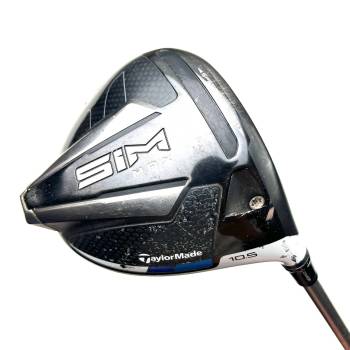
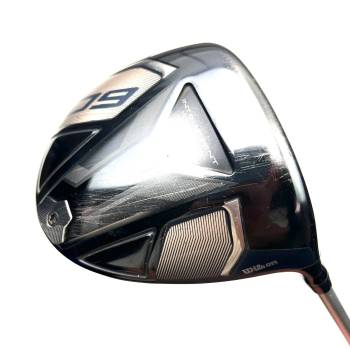
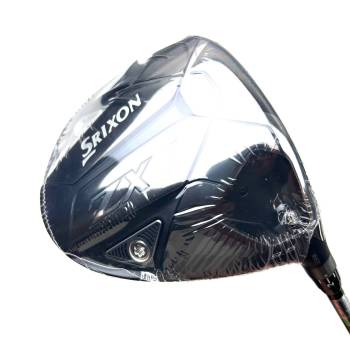
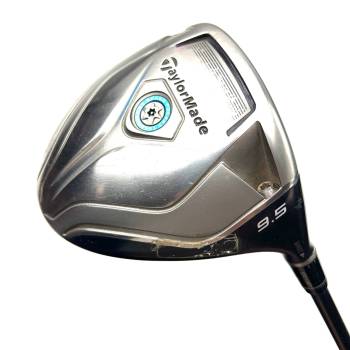
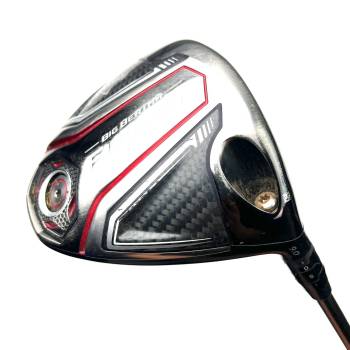
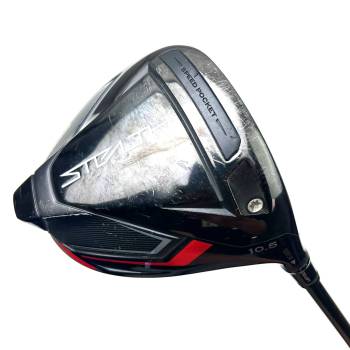
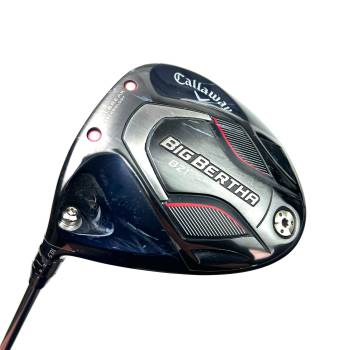
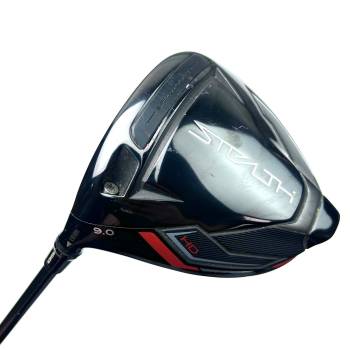
A good used golf driver can still offer excellent distance, forgiveness and feel, especially if the head, shaft and grip have been properly checked before sale.
Modern drivers are built to last, and most performance differences come from finding the right loft, shaft flex, head style and condition rather than simply buying the newest model.
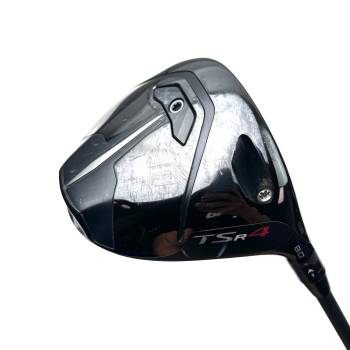
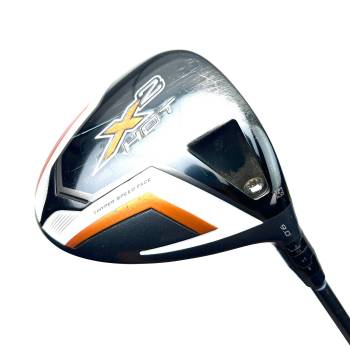
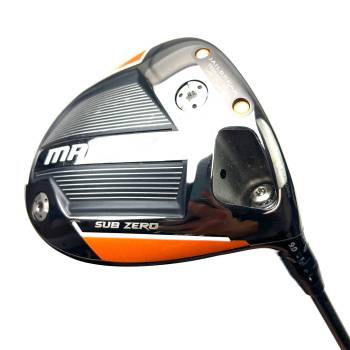
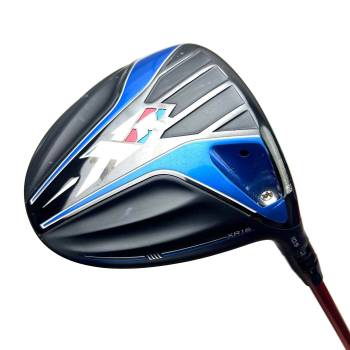
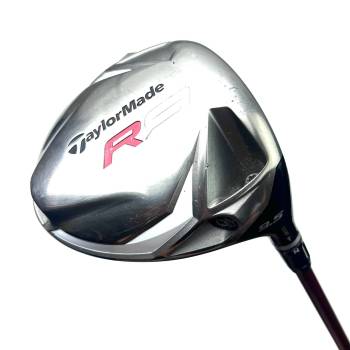
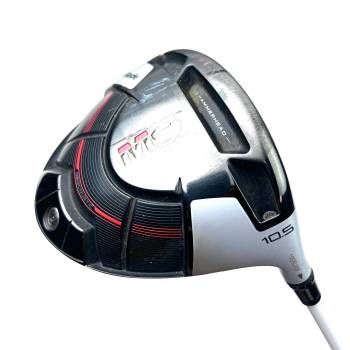
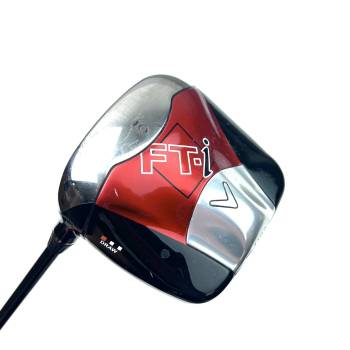
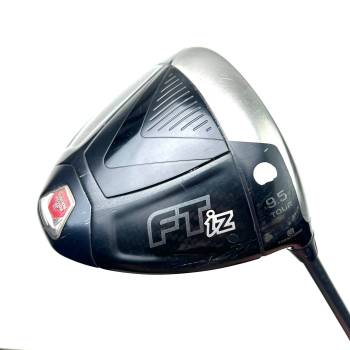
Buying a second hand golf driver is often a smart way to access premium brands like TaylorMade, Callaway, Ping, Titleist, Cobra and PXG without paying full retail price. Cosmetic marks from normal play do not usually affect performance, provided the face, crown and shaft are structurally sound.
In many cases, used golf drivers perform as well as new drivers. A used club that suits your swing can perform better than a brand new driver that is the wrong loft, shaft flex or head type.
Distance, launch, spin and forgiveness depend more on the driver’s design and specification than whether it has been used before.
The main things to check are face condition, crown condition, shaft condition, grip condition and whether the club has any structural damage.
Many older used drivers are still excellent clubs. Driver technology improves over time, but year-to-year gains are often smaller than marketing suggests. A well-suited driver from a few seasons ago can still deliver strong distance and forgiveness for far less than a new release.
Older drivers can be especially good value if you know the brand or model you like. The key is condition: a clean, well-looked-after used driver is usually a better buy than a newer model with heavy wear or damage.
At Nearly New Golf Clubs, each second hand driver is graded so you can see the condition before buying.
-
Is it safe to buy a used golf driver online?
Yes, as long as the listing gives you enough detail to buy with confidence. Good photos, clear condition notes and the correct loft, shaft and flex details are what matter most and are provided.
At Nearly New Golf Clubs, used drivers are listed with product photos and condition information so you can check the club properly before ordering. That gives you more confidence than buying privately, where condition, returns and accurate descriptions can be harder to judge.
-
What makes a golf driver forgiving?
A forgiving driver is one that still gives you a decent result when you miss the middle of the face. Bigger heads, higher MOI designs and weight pushed around the edges of the club can all help keep ball speed and direction more stable. If your strike pattern moves around the face, a forgiving driver can make tee shots feel much less punishing.
The most forgiving used golf drivers usually have a larger head shape, weight positioned low and back, and a design built to keep ball speed up on off-centre strikes.
These drivers are ideal for golfers who want straighter tee shots and more consistency rather than a compact, lower-spin head.
Look for models described as Max, MAX D, SFT, XF, HD or similar, as these often indicate more forgiveness or draw bias. Forgiving second hand drivers are especially useful for beginners, higher handicappers and players who miss across the face.
-
What driver loft should I choose?
Most golfers will suit a driver between 10.5° and 12°, especially if they want easier launch, more carry and a little more forgiveness. Lower lofts such as 8° or 9° can work well for faster swingers who already launch the ball high or create too much spin.
If your drives fly too low, fall out of the air or slice heavily, more loft can often help. If your drives balloon too high with too much spin, a lower loft or lower-spin head may be a better option.
-
What shaft flex do I need in a driver?
Shaft flex should match your swing speed, tempo and strike pattern. Regular flex suits many average-speed golfers, stiff flex tends to suit faster swings, senior flex can help slower or smoother swings launch the ball more easily, and extra stiff is usually for very fast, aggressive swings.
If the shaft is too stiff, the ball may launch low, leak right or feel difficult to square. If it is too soft, the club can feel loose and shots may fly too high or become harder to control. Always check the listed shaft model and flex before buying a used driver, or browse our golf shafts for sale if you are comparing shaft options.
-
What condition will my second hand driver be in?
The condition depends on the individual driver, which is why the listing details are important. Most used drivers will show some normal signs of play, usually on the sole, face or grip, but that does not always affect performance. Check the photos and condition notes carefully, especially around the head, shaft, grip and listed specs.
Each used driver is graded so you can see the condition before buying. A mint or very good driver may show minimal use, while a good-condition driver may show normal face, sole or crown marks from regular play.
Cosmetic wear is common on second hand golf drivers and does not necessarily affect performance. Structural issues such as cracks, dents or damaged shafts are different, and those are the things that matter most when judging whether a driver is playable.
-
Do golf drivers wear out?
Drivers rarely wear out from the use of amateurs compared to professionals. The areas to check are the face, crown, shaft and grip. Light marks on the sole or face are normal on used drivers.
A driver face can show strike marks over time, and grips can wear down, but the club can still perform well if there is no structural damage.
The main warning signs are cracks in the face or crown, dents, unusual sounds at impact, a loose shaft or serious shaft damage.
Normal cosmetic wear is expected on second hand drivers and is reflected in the condition grade for each club.
-
Can I buy left handed used golf drivers?
Yes. Left handed used drivers are available when in stock, and they can be a very good way for left handed golfers to find premium models at better value. Because left handed stock is usually more limited than right handed stock, it is worth checking regularly if you want a specific brand, loft or shaft flex.
Make sure you check handedness before ordering, especially if you are filtering by brand, model or shaft type.
-
Can I return a used golf driver if it is not right?
Yes, we have a 30 day try before you buy policy. That means you can purchase and try out any used golf driver for 30 days. If it’s not quite right with you, send it back for an exchange or refund. Return shipping is normally the buyer’s responsibility unless the item is faulty or not as described.
-
How long does delivery take?
Next working day UK delivery is available when you order before 12pm. Orders placed after midday are dispatched the next working day for delivery the day after.
Delivery timings can vary for the Scottish Highlands, Northern Ireland and the Channel Islands, so check the delivery information at checkout for your address.
-
Can I trade in my old driver?
Yes. You can trade in or sell your current golf driver through Nearly New Golf Clubs and put the value towards your next upgrade. This is a practical way to move on from a driver that no longer suits your game while reducing the cost of buying your next used driver.
Start through our Sell Your Club page.





 30 Day Try Before You Buy Guarantee
 Order by 12pm for next working day delivery
 Authenticity Guaranteed