


 30 Day Try Before You Buy Guarantee
 Order by 12pm for next working day delivery
 Authenticity Guaranteed
-
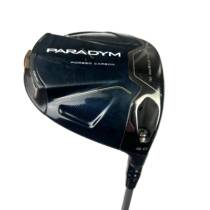
Callaway Paradym Driver / 9 Degree / Aldila Ascent 40 Blue Senior Flex
£269.99RRP: £599.00
View details -
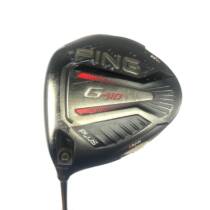
Left Handed Ping G410 Driver / 10.5 Degree / Alta CB 55 Stiff Flex
£199.99RRP: £449.00
View details -
Save 12%

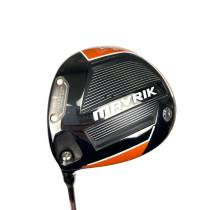
Left Handed Callaway Mavrik Driver / 10.5 Degree / Helium Black 4F2 Senior Flex
£169.99Original price was: £169.99.£149.99Current price is: £149.99.RRP: £469.00
View details
Shop Second Hand Callaway Golf Drivers
Looking for a premium driver without the lofty price tag? At NNGC, our hand-selected range of used Callaway drivers combines distance technology with unbeatable value. From older Epic and Mavrik models to Rogue ST, Paradym, Ai Smoke, Elyte and Quantum, buying second hand gives you access to different generations for less than their original new-club prices.Choose a forgiving head for inconsistent contact, a draw-biased model to help manage a slice, or a lower-spin design when excess spin is costing you distance.Whether you’re loyal to the Callaway name or just want more consistency off the tee, we’ve got a driver that fits your game and your budget.Every used club is checked before listing, clearly graded and available with 30 day returns.
Read more...
Read less...
Benefits of a Used Callaway Driver
Trusted performance from a top brand
Whether you’re after the consistency of the Rogue ST, the speed of the Epic Flash, or the forgiveness of the Big Bertha, these clubs are known for distance, accuracy, and ease of use.
A more sustainable way to upgrade
Buying a Callaway driver second-hand keeps quality gear in play and keeps waste out of landfills. Good for your game, better for the planet.
Access premium driver designs for less
Buying used brings previous-generation Callaway models within a smaller budget. You can prioritise a suitable head and shaft while spending less on the upgrade.
Choose help for your usual miss
Callaway’s range includes heads designed around off-centre forgiveness, draw assistance and lower spin. That gives you different ways to address the tee shots costing you strokes.
Fine-tune your launch and direction
Many Callaway drivers offer adjustable loft and lie settings. Selected models also have movable weights, giving you more scope to refine the flight after purchase.
Find a lighter setup
MAX Fast models provide a lighter alternative within several Callaway families. They are worth comparing when your current driver feels difficult to accelerate or control comfortably.
You can also compare ladies drivers and left-handed drivers across the available models and specifications.
How It Works
Every used Callaway driver listed on Nearly New Golf Clubs is inspected before it goes live on the website. That means you can compare condition and specification more clearly when choosing a driver.
Checked before listing
Each Callaway driver is reviewed before being uploaded to the website. The head, face, shaft and grip are checked, along with adjustable components where fitted, so the listing reflects the club’s condition as clearly as possible.
Clear condition grading
We grade every used Callaway driver so you know what to expect before you buy. Whether a club is mint, very good or good, the aim is to make condition easy to understand before it reaches your bag.
Compare the right options
Compare Callaway model, generation, loft, shaft model, flex, condition and price. Check the actual listing, because the same head can play differently with another shaft or setting.
Fast UK delivery
Order by 12pm and we will aim to dispatch your Callaway driver quickly, so you can get it into play as soon as possible. Check our delivery information for current shipping terms and cut-off times.
30 day returns
You need to feel comfortable with the club off the tee. That is why we offer 30 day returns, giving you time to make sure your Callaway driver suits your game.
What Used Callaway Driver Can You Get for Your Budget?
Used Callaway Drivers Under £150
Look for older X Hot, Epic and selected Mavrik examples as stock becomes available.
Prioritise suitable loft, shaft and playing length. A driver with visible cosmetic wear can be worth considering when its specification fits your game.
Check the individual head, shaft and grip grades before comparing prices.
Used Callaway Drivers £150 to £300
This range can include Rogue ST, Paradym, Ai Smoke and selected Elyte examples.
There is scope here to compare different head designs. Decide whether you need general forgiveness, draw assistance or lower spin before choosing between generations.
A suitable older model can be a better purchase than a newer head built for a different type of shot.
Used Callaway Drivers Over £300
This budget can bring models such as Quantum into consideration, alongside particular shaft builds and condition grades.
Identify what the extra spend adds: a preferred head shape, a closer shaft match or a useful adjustment feature.
Models move between these bands as stock, specification and condition change. Compare the current listings for exact prices.
At this budget, compare new golf drivers with the used options before deciding which specification offers better value.
Used Callaway Driver Buying Guide
Which Callaway Driver Should You Choose?
Start with the tee shot you want to improve.
- Contact moves around the face: prioritise forgiveness and a club length you can control.
- Your drives regularly slice: compare a draw-biased head with your existing driver.
- You struggle to generate height: investigate loft and a lighter build.
- Good strikes produce excessive spin: test a lower-spin head using measured launch and carry.
- You already drive well: identify the specific improvement you want before changing models.
Your handicap alone cannot tell you which version to buy. Two golfers with the same handicap may need different launch, spin and shot-shape characteristics.
For help comparing head type, loft and shaft, book a golf club consultation.
Understanding the Main Callaway Driver Families
Callaway changes its model names between generations. Use the complete name when comparing clubs.
| Family | General-purpose starting point | Draw assistance | Lower-spin alternatives |
| Rogue ST | MAX | MAX D | MAX LS and Triple Diamond LS |
| Paradym | Paradym | Paradym X | Paradym Triple Diamond |
| Paradym Ai Smoke | MAX | MAX D | Triple Diamond |
| Elyte | Elyte | Elyte X | Elyte Triple Diamond |
| Quantum | Max | Max D | Triple Diamond and Triple Diamond Max |
These are broad fitting roles. Head shape, weighting and flight characteristics differ within each generation.
For example, Rogue ST MAX D, Paradym X and Ai Smoke MAX D are useful starting points when comparing draw assistance across generations.
The standard Paradym is a separate model from Paradym X. There is no original Paradym MAX D.
Browse used Rogue drivers, Paradym drivers, Ai Smoke drivers or Quantum drivers to compare individual listings.
MAX, MAX D or MAX Fast?
These names describe different priorities.
Using Paradym Ai Smoke as an example:
- MAX: combines forgiveness with a sliding rear weight for adjusting shot shape.
- MAX D: prioritises forgiveness and draw assistance.
- MAX Fast: uses a lightweight build intended to make launch and speed easier.
MAX Fast also has a fixed hosel in the Ai Smoke range. It does not offer the same loft adjustment as the other versions.
Choose between them around the help you need. A lighter club and a draw-biased club solve different fitting problems, even when both sit within the same family.
Is Triple Diamond Right for You?
Triple Diamond models generally target lower spin and greater control over shot shape. Several use a more compact head than the general-purpose option within their family.
They are worth testing when centred strikes produce excess spin or you prefer a head that allows more deliberate shot shaping.
Compare:
- Carry on normal strikes
- Distance lost on mishits
- Left-to-right spread
- Launch and spin together
- Confidence behind the ball
Check the full name. Quantum Triple Diamond Max, for example, uses a 460cc head and is designed to add forgiveness to the Triple Diamond offering. It is a different proposition from the standard Triple Diamond.
Which Models Suit Slower Swing Speeds?
MAX Fast versions of Ai Smoke, Elyte and Quantum are worth investigating when you benefit from a lighter overall club.
Quantum Max Fast, for example, is designed around moderate swing speeds, reduced weight and help with launch.
Check the shaft fitted to the used example. A replacement shaft or grip can change how the complete club feels.
During testing, ask whether you can maintain a comfortable tempo and repeat your strike. Extra speed only helps when it produces useful tee shots.
What Loft Should You Choose?
Compare your current launch and carry before choosing between 9°, 10.5° or 12° options.
More loft is worth testing when well-struck drives stay low and depend on rollout. If your shots already climb excessively, investigate strike and spin before changing loft.
On an adjustable Callaway driver, check both the number on the head and the hosel setting. A driver marked 10.5° may be set to play at a different loft.
How Do Callaway OptiFit Settings Work?
On drivers fitted with the standard two-cog OptiFit hosel, one setting controls loft and the other controls lie.
| Marking | Meaning |
| S | Stated loft stamped on the head |
| −1 | One degree below stated loft |
| +1 | One degree above stated loft |
| +2 | Two degrees above stated loft |
| N | Neutral lie setting |
| D | Draw lie setting |
A 10.5° head therefore offers nominal loft settings of 9.5°, 10.5°, 11.5° and 12.5°, each paired with N or D.
The D hosel setting and a MAX D head are different features. Changing the sleeve setting does not recreate the weighting and shape of a dedicated draw-biased head.
Follow the instructions for the exact model and change one setting at a time during testing.
How Much Does the Shaft Matter?
The shaft affects the weight and feel of the complete club. That can influence your timing and how consistently you deliver the head.
Compare:
- Full shaft model
- Flex
- Weight
- Playing length
- Grip size
Two drivers described as “stiff” can feel different. A shorter used build can also feel different from an otherwise identical standard-length example.
If you want to reuse an existing shaft, confirm adapter compatibility and finished playing length before buying another head.
If your current head still suits you, compare used graphite golf shafts before replacing the complete driver.
If your current shaft suits you, a compatible golf driver head may let you change the head without replacing the whole club.
Should You Buy an Older Callaway Driver or a Newer Generation?
Compare equivalent head roles first.
Moving from a forgiving Rogue ST MAX to a lower-spin Triple Diamond changes more than the release year. Differences in flight may come from the head type, loft or shaft.
Older Big Bertha drivers, Epic and Mavrik models also deserve consideration when the specification and condition suit your budget.
A newer generation earns the extra spend when it improves something you can identify: useful carry, the quality of your misses or confidence over the ball.
Callaway Drivers Compared With Other Brands
Callaway vs Ping Drivers
For golfers seeking slice assistance, Callaway Ai Smoke MAX D and Ping G430 SFT are useful models to compare.
The G430 SFT has a movable rear weight with Draw and Draw+ positions. This provides two levels of draw assistance within the head’s weighting system.
When comparing used Ping drivers with Callaway’s draw-biased options, record both starting direction and curve.
Choose the setup that makes your recurring miss more manageable without introducing a frequent miss on the opposite side.
Callaway vs TaylorMade Drivers
Callaway Ai Smoke MAX and TaylorMade Qi10 Max offer different features to investigate when forgiveness matters.
Ai Smoke MAX provides a sliding rear weight for adjusting shot shape. Qi10 Max uses a stretched head design and high resistance to twisting on off-centre contact.
Shortlist the Callaway when rear-weight adjustment is useful to you. Compare the Qi10 Max when you want to test its larger shape at address and performance across your normal strike pattern.
Browse used TaylorMade drivers and compare carry retention and dispersion alongside appearance and feel.
Callaway vs Titleist Drivers
If excess spin is the problem, compare a suitable Callaway Triple Diamond with lower-spin options among our used Titleist drivers.
The Titleist GT4 has a compact 430cc head and interchangeable front and rear weights for changing its spin-reduction characteristics.
Use launch monitor results to assess the trade-off. Reducing spin is useful when it improves distance while retaining enough launch and control across your ordinary strikes.
How to Test Your Used Callaway Driver
Use the 30 day return period to compare the driver with your current club at the range and on the course.
Record the starting loft, lie and weight positions before making adjustments. Alternate small groups of shots between the two clubs, using the same ball type and target where possible.
Check:
- Carry distance: Does it improve the distance you can rely on over hazards and into landing areas?
- Strike pattern: Are you finding a repeatable area of the face?
- Forgiveness: How much distance and direction do you lose on your ordinary mishits?
- Draw assistance: Does a MAX D or X head reduce your slice without creating a frequent opposite miss?
- Lower-spin performance: Does a Triple Diamond or LS model retain useful carry when contact is imperfect?
- Weight and timing: Can you swing comfortably throughout a round?
- Adjustment response: Does changing one setting produce a repeatable improvement?
- Course performance: Are more drives leaving a playable next shot?
Separate the results from your best strikes and your normal misses.
If a lower-spin head adds distance on perfect contact but makes ordinary drives less dependable, compare a more forgiving version. If a draw-biased head produces too much curvature, test a more neutral head before changing several other parts of the setup.
Condition Guide
Every used Callaway driver is checked and graded. Review the head, shaft and grip ratings separately, alongside the photographs.
Mint condition
Minimal evidence of use. Suitable when you want a driver close to new in appearance.
Very good condition
Light signs of use with minimal marking. Check the face, sole and crown photographs for the individual club.
Good condition
Normal evidence of play, including face and sole marks. A useful option when you are comfortable with some cosmetic wear.
Fair and well-used condition
More visible wear may be present, including crown marks and heavier signs of play. Look closely at the crown because this is the surface you see at address.
On adjustable models, also check the listed specification and supplied accessories. Headcovers and adjustment tools should be confirmed in the individual listing.
Our golf club condition guide explains the grading scale. Grips rated below 6/10 are replaced before sale.
Replacing an existing club? You can sell your golf clubs to Nearly New Golf Clubs.