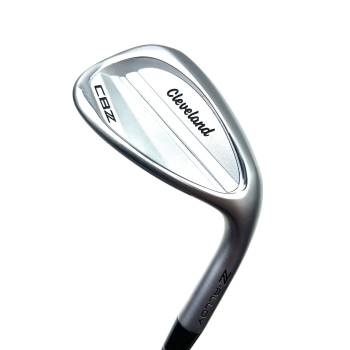
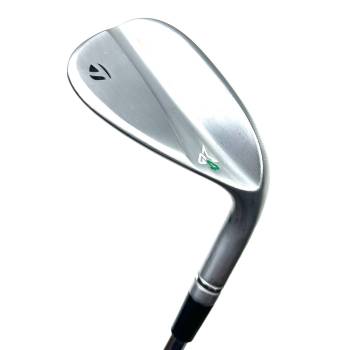
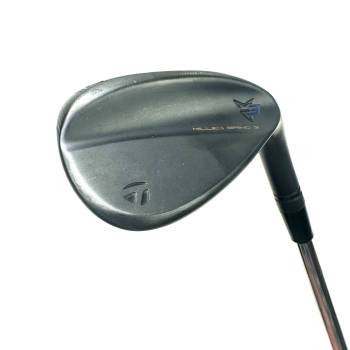
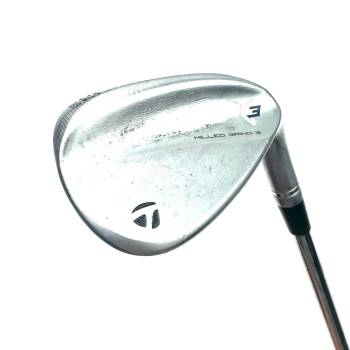
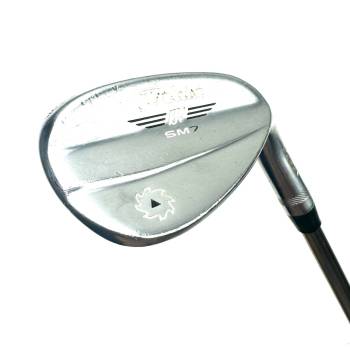
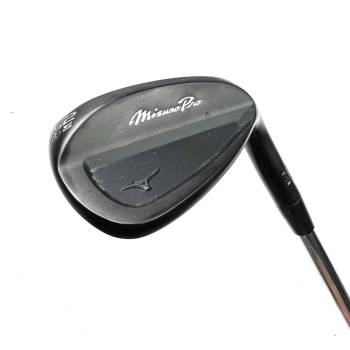
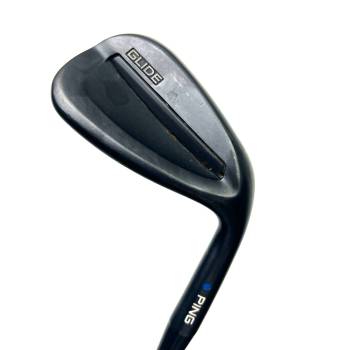
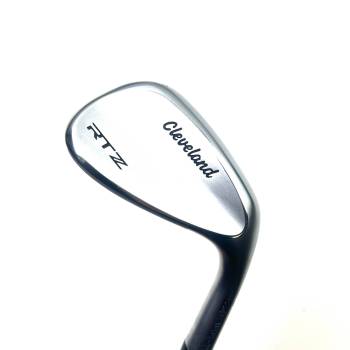
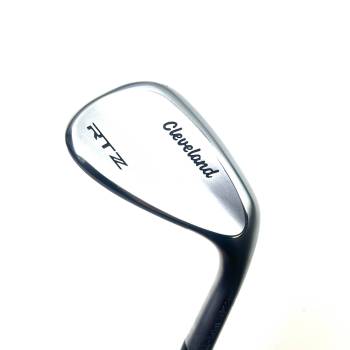
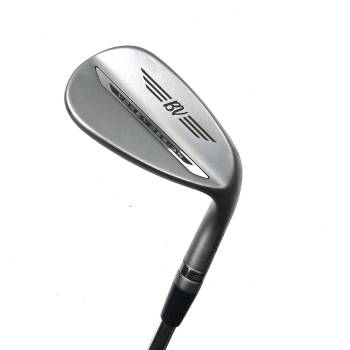
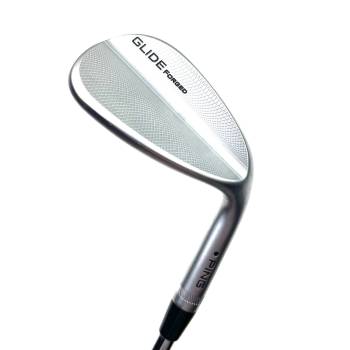
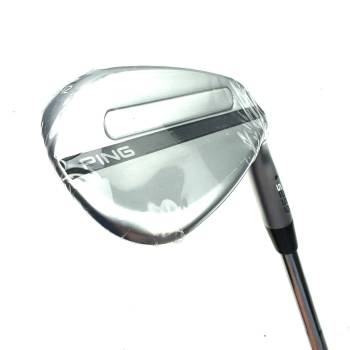
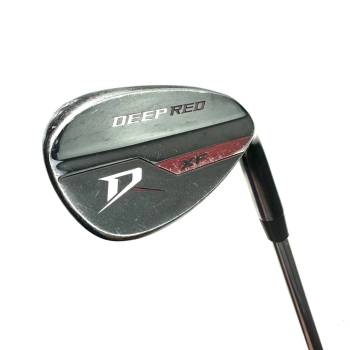
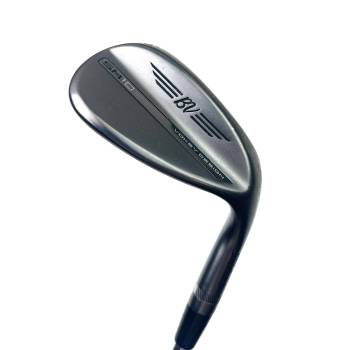
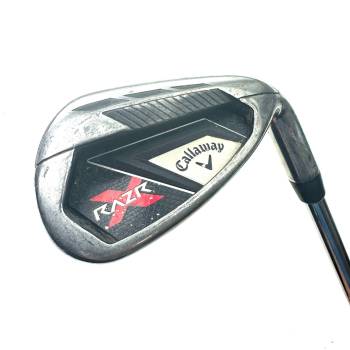
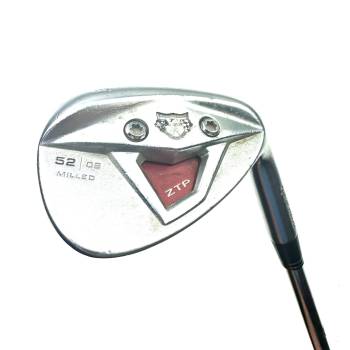
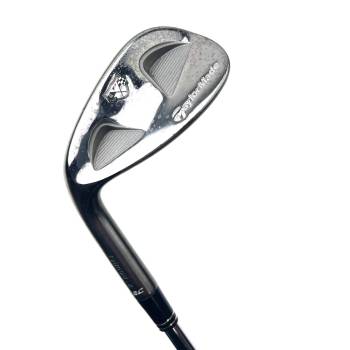
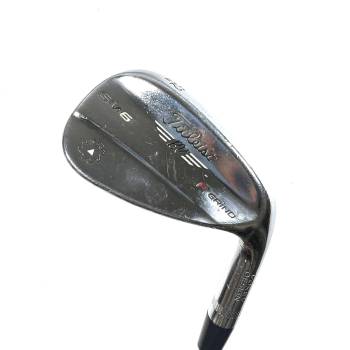
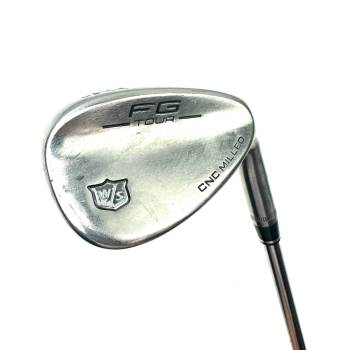
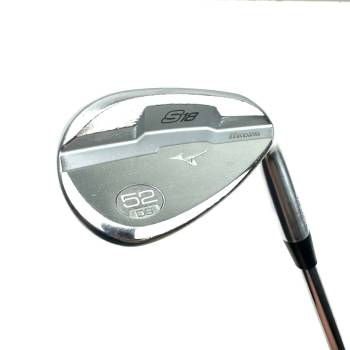
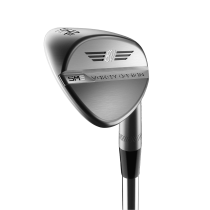
A 52 degree wedge is normally called a gap wedge. Some manufacturers may call it an approach wedge or simply label the club by its loft.
A sand wedge is more commonly around 54 to 56 degrees. A 52 degree wedge normally sits above it as the gap wedge, although it can still be used for some bunker shots when the lie and bounce suit.
A pitching wedge generally has less loft and travels further. A 52 degree wedge normally fills the next scoring distance below it.
That can be a strong setup when the pitching wedge above them creates a sensible gap. It gives you regular four-degree spacing and separate gap, sand and lob-wedge roles.
You do not need all three if two wedges provide the distances and short-game shots you require.
Choose 52 when you need a traditional gap wedge below your pitching wedge. Choose 54 when you already have a lower gap wedge and need a club that sits closer to the sand-wedge role.
Yes. Used availability varies, so check the left handed wedge range for current 52 degree options.
Yes, when the face, grooves, shaft and head remain in suitable condition. Cosmetic wear is different from structural damage or excessive groove wear, which is why each used wedge is checked before listing.




 30 Day Try Before You Buy Guarantee
 Order by 12pm for next working day delivery
 Authenticity Guaranteed