-
How do I choose the right putter?
Choosing the right putter comes down to head shape, length, weight, alignment style and how comfortable it feels at address.
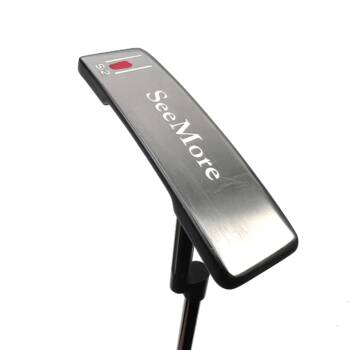
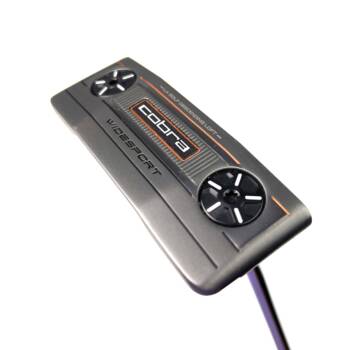
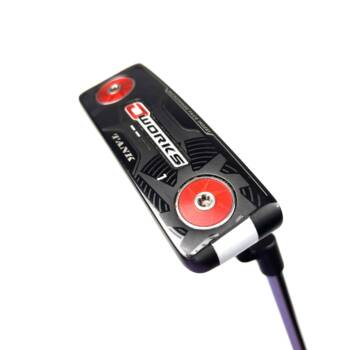
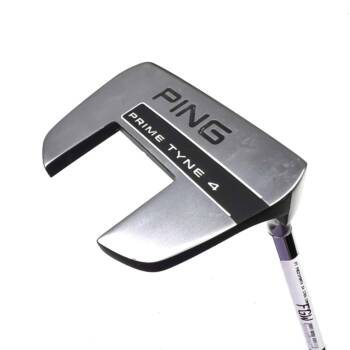
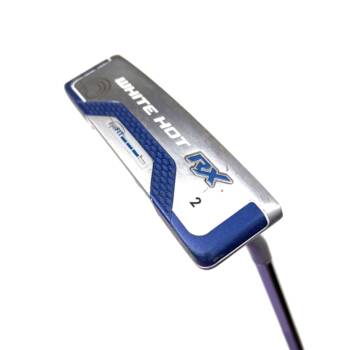
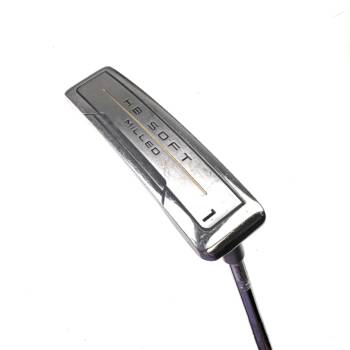
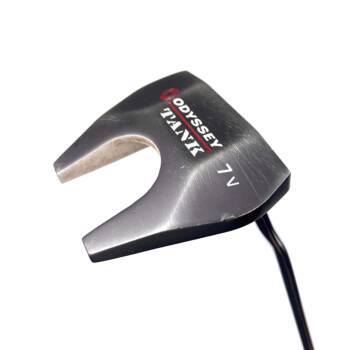
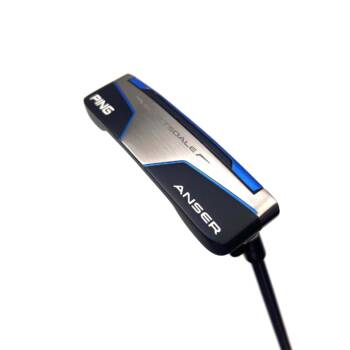
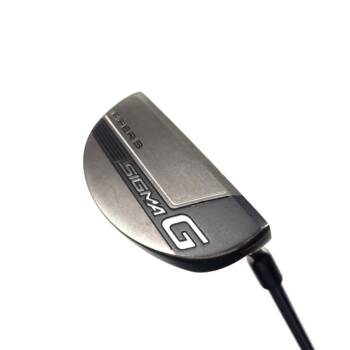
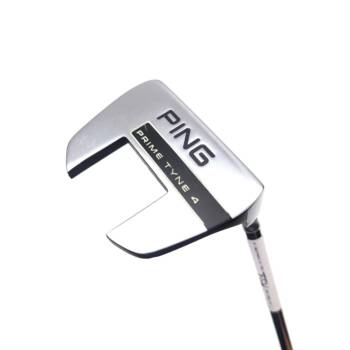
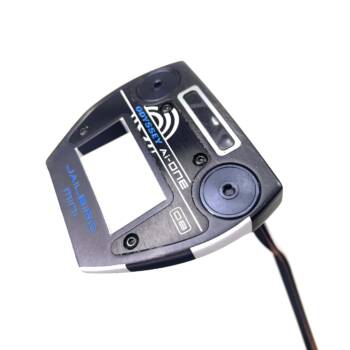
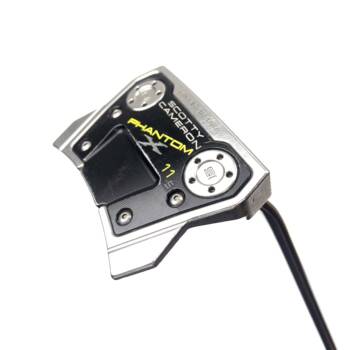
Some golfers prefer a simple blade putter with a traditional look, while others find a larger mallet putter easier to line up and keep stable through the stroke. When buying used, check the putter length, grip style, head shape and condition before deciding.
-
What is the difference between a blade and mallet putter?
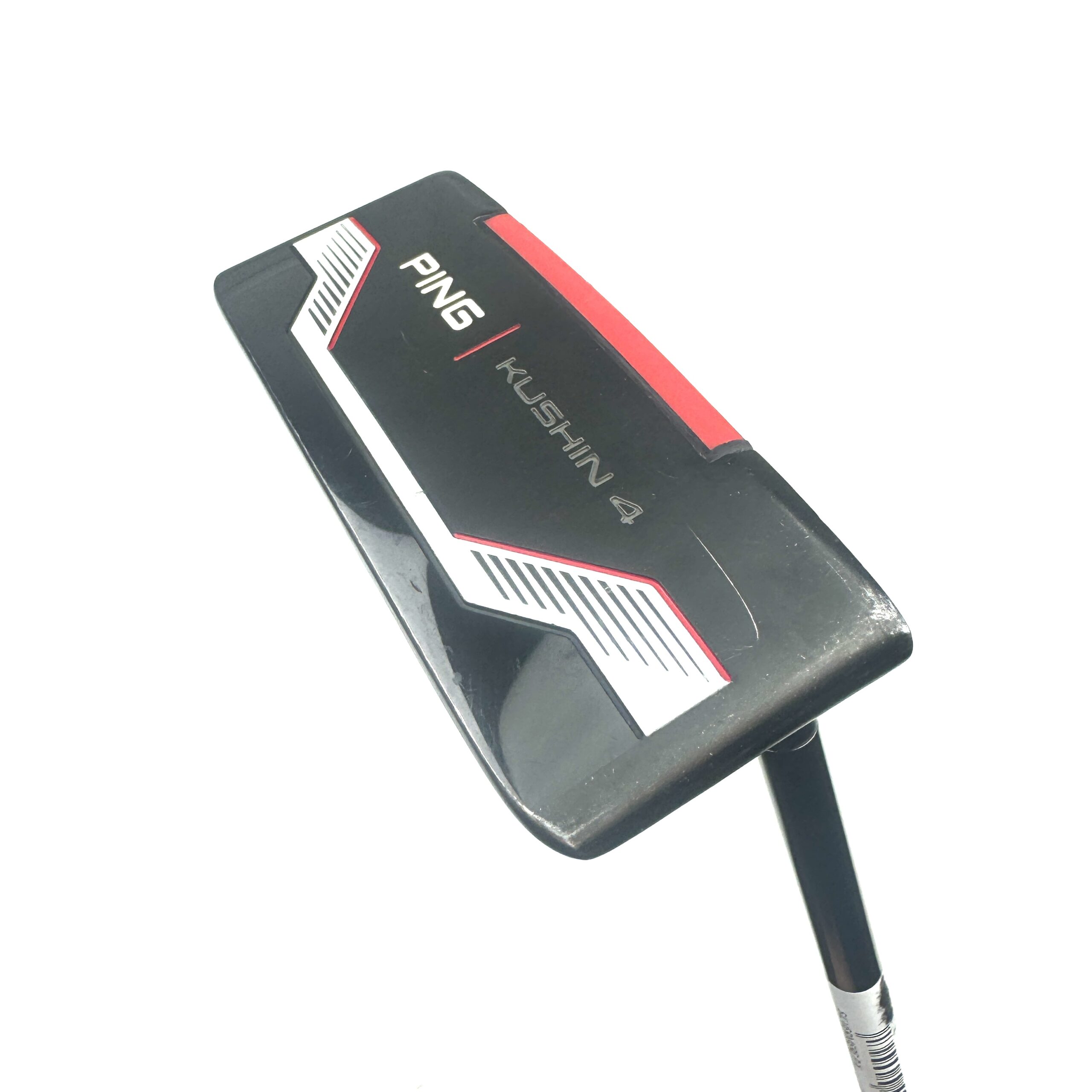
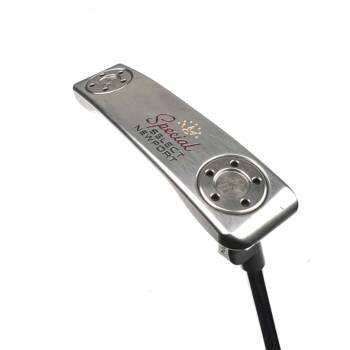
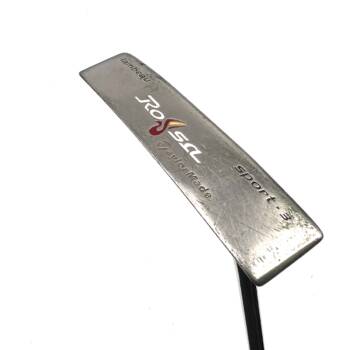
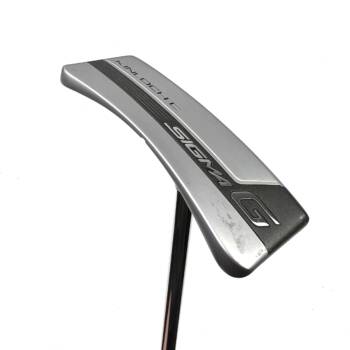
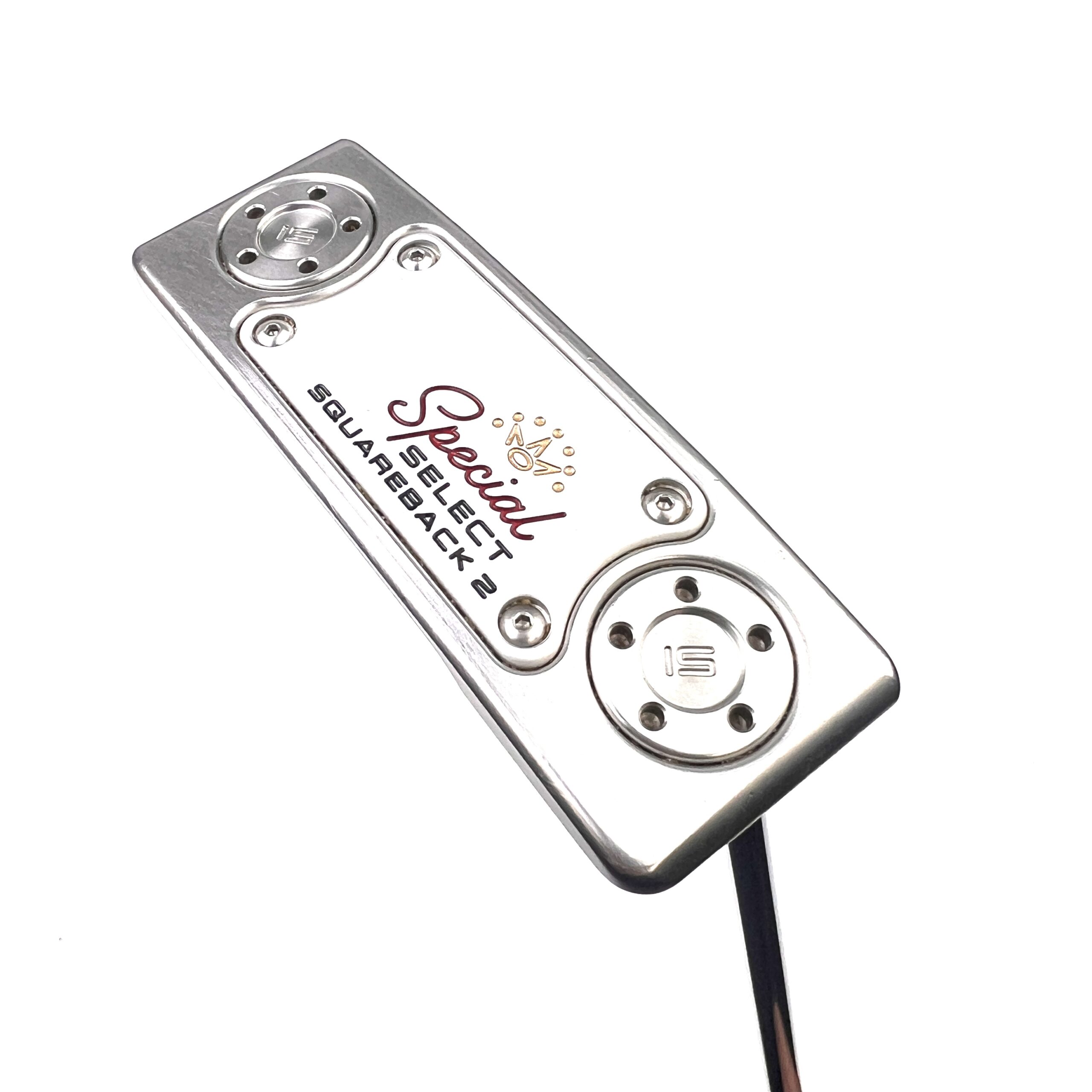
A blade putter has a smaller, more traditional head shape and often suits golfers who prefer a clean look and more feel. Blade putters give more feedback, face control, and release through impact. More experienced players often prefer them because they suit arcing strokes and offer more precision on pace and strike location, but they are less forgiving on off-centre hits.
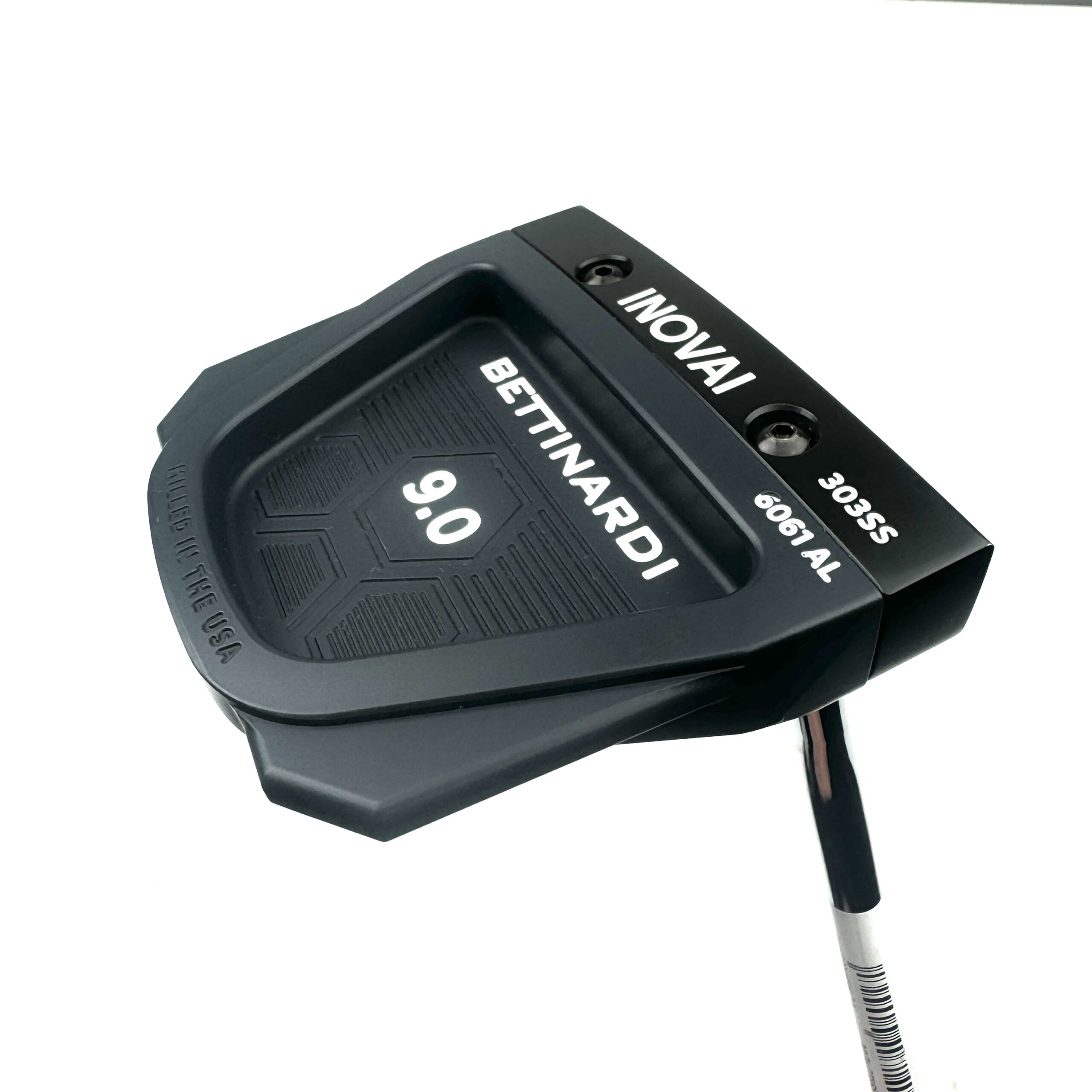
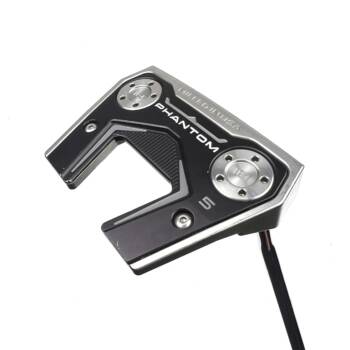
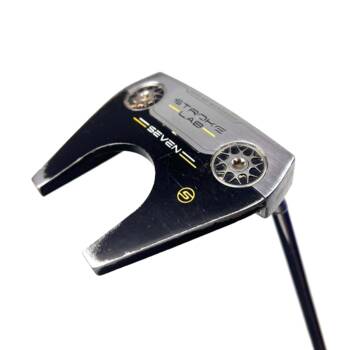
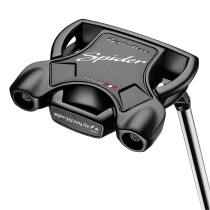
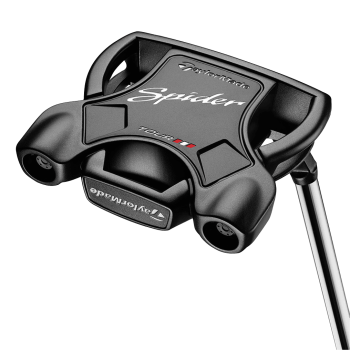
A mallet putter has a larger head, usually with more alignment help and more stability on off-centre strikes. The larger head shape and higher MOI help keep the face square through impact, making them a strong option for golfers who struggle with consistency, distance control, or starting putts on line. Many golfers choose mallets for forgiveness and easy alignment, while blades remain popular with players who like a simpler, more compact shape.
-
What do face balance and toe hang mean?
Face balance and toe hang describe how a putter head sits and how it tends to move during the stroke. A face-balanced putter points more upwards when balanced and often suits a straighter putting stroke. A toe-hang putter lets the toe drop more and can suit golfers with more arc in their stroke helping square the face during impact.
Larger mallet heads are often a good fit because they offer more stability, alignment support, and forgiveness on off-centre strikes. These putters are designed to keep the face square through impact, helping improve consistency and start line control.
-
What putter length should I choose?
Most standard putters are around 33 to 35 inches long, but the right length depends on your height, posture and setup.
A putter that is too long can make it harder to get your eyes and hands in a comfortable position, while one that is too short may force you to bend too much.
When buying used, check the listed putter length carefully against what you already use or prefer.
Choose a length that lets your eyes sit naturally over the ball without forcing posture.
As a rough guide:
- 33 inch putters often suit shorter golfers or those who stand closer to the ball
- 34 inch is the most common standard length
- 35 inch can suit taller golfers or more upright setups
The right length should help you feel balanced, relaxed, and able to return the face square consistently.
-
Do putters wear out?
No. Putters do not usually lose performance in the same way drivers or wedges can. A quality putter can perform well for decades if it is looked after properly.
What changes over time is usually:
- face wear from heavy use
- dents or damage affecting feel
- worn grips reducing control and consistency
- shaft or head damage from poor storage or misuse
Cosmetic wear does not affect how the putter rolls the ball. If there is structural damage to the putter, we will not sell it. Cosmetic marks are common on used putters and do not always affect performance. The main things to check are the face condition, shaft, grip, alignment markings and whether the head sits correctly.
-
Do second hand putters perform as well as new ones?
Yes. Putters last for years, and cosmetic wear does not affect roll or balance. Feel and fit matter more than whether the putter is new. When you buy a used putter you get access to premium models, many of which are lightly used, for a fraction of the price, making it easier to experiment or upgrade.
-
Is it safe to buy a used putter online?
Yes, each product is checked by our expert team before going live on the website. The key is to check the photos, head shape, length, grip, shaft style and condition details before buying. Nearly New Golf Clubs lists used putters with product information and condition detail so golfers can compare options before ordering.
When evaluating a used putter, pay close attention to the condition of the face and sole, as excessive wear can affect roll and feel. Check the alignment markings, they should be clearly visible and not overly faded. Ensure the shaft is straight, free from rust, dents, or bends, and that the grip is intact or easily replaceable. Most importantly, consider how the putter sits and feels at address. At NNGC, we take the guesswork out by professionally grading each putter and providing accurate, detailed descriptions.
-
What condition will my used putter be in?
The condition will depend on the individual putter you choose. Used putters may show normal cosmetic marks on the sole, face or head cover areas, while grips can vary depending on previous use.
Before buying, check the listing photos and condition notes carefully, especially the face, shaft, grip and alignment details.
Our second hand putters are graded consistently by our expert team and photos reflect the actual product.
Each set is graded from 10 to 5:
- Mint (9 to 10 out of 10) Minimal or no use
- Very Good (8 out 10) Light use, very clean overall
- Good (6 to 7 out of 10) Regular use, fully playable
-
Can I return a second hand putter if it is not right?
Yes. We offer a 30 day return option on used clubs, so if the putter is not right for your game, you can return it in line with the returns policy. Return shipping is normally the buyer’s responsibility unless the item is faulty or not as described.
-
How long does delivery take?
Next working day UK delivery is available when you order before 12pm.
-
Can I trade in my current putter when purchasing a new one?
Yes! Visit our Sell Your Club page to submit your putter for trade-in or resale.




 30 Day Try Before You Buy Guarantee
 Order by 12pm for next working day delivery
 Authenticity Guaranteed