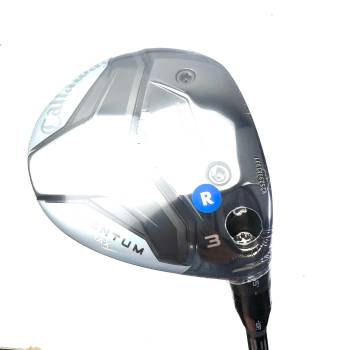
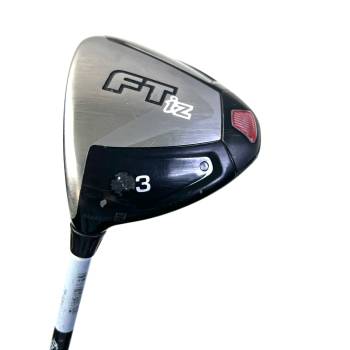
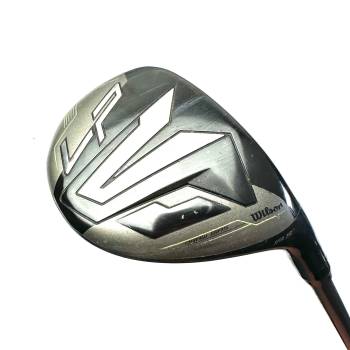
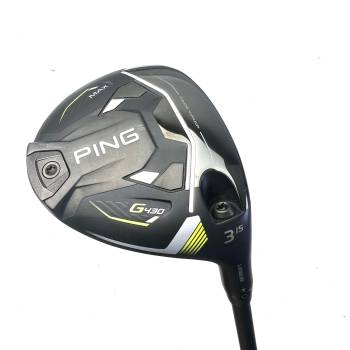
-
What loft is a 3 wood?
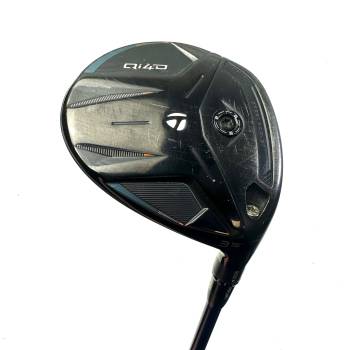
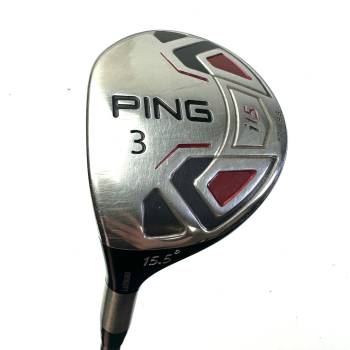
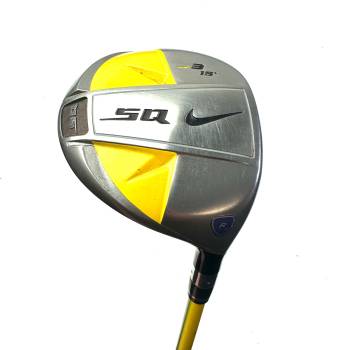
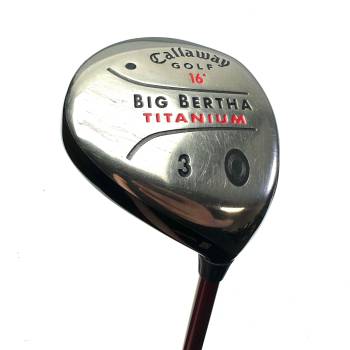
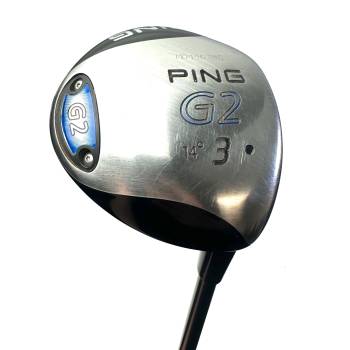
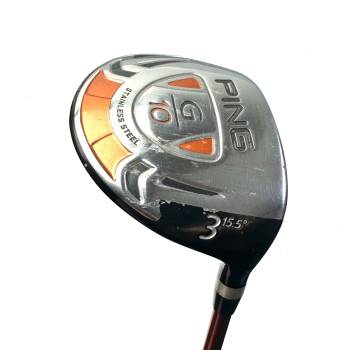
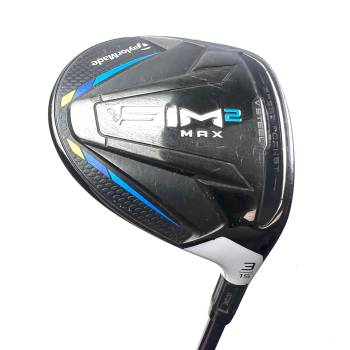
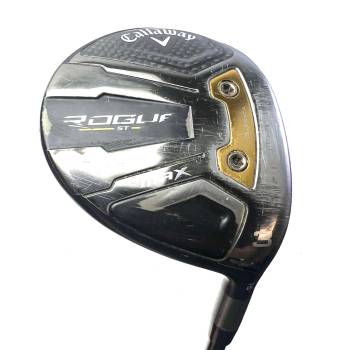
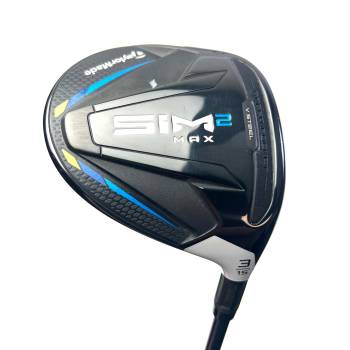
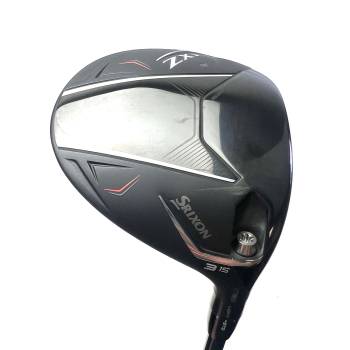
Most 3 woods are around 15° of loft, although some models have more or less.
A “strong” 3 wood golf club has less loft and may fly lower and go further from the tee, provided you can launch it well.
A higher-lofted version can be easier to launch from the fairway. Always check the listed loft, especially if the club is adjustable.
-
How far should a 3 wood go?
A 3 wood should normally sit between your driver and your next fairway wood, hybrid or long iron. Distance depends on swing speed, strike, loft and shaft, so there is no single number that fits every golfer.
Compare your average carry distance, meaning how far the ball travels before landing, rather than your longest shot. Check tee and fairway shots separately. The important thing is that it fills a useful gap and gives you a shot you trust.
-
Is a 3 wood hard to hit from the fairway?
A 3 wood can be harder to hit from the fairway than a 5 wood or 7 wood because it has less loft and a longer shaft. Golfers with good speed and a clean strike may get distance from it, but others may launch a higher-lofted fairway wood more easily. If you struggle to get a 3 wood airborne, a 5 wood may be the better option.
-
Should I carry a 3 wood or a 5 wood?
Carry a 3 wood if it gives you more useful distance and you can launch it consistently, especially if you often use it from the tee.
A 5 wood can suit golfers who want more height and an easier club to launch from the fairway. If you strike a 5 wood better, it may carry as far as or further than a 3 wood. You can carry both if each fills a useful distance gap.
-
Can I use a 3 wood instead of a driver from the tee?
Yes, a 3 wood can be a useful alternative when a shorter tee shot helps you stay short of a bunker or avoid running through the end of the fairway.
Its extra loft and shorter shaft can make it easier for some golfers to keep in play, but it is not automatically more accurate than a driver. Compare where your shots finish and how much distance you give up before choosing it as your regular tee club.
-
Is it safe to buy a used 3 wood online?
Yes, when you buy from a reputable seller. Buying used can be a good way to add a tee and fairway option for less than buying new.
At Nearly New Golf Clubs, every used club is inspected by our expert team before listing. Check the loft, shaft model and flex, handedness, adjustability and condition before ordering. Our listing photos and details help you compare the club with the rest of your bag.
-
What condition will my used 3 wood be in?
Condition depends on the individual club. Light sole and face marks are normal on a used 3 wood, especially if it has been played from the fairway. Check the crown, shaft and grip in the listing photos too, and read the condition notes to understand the wear you can expect. If a mark is unclear, ask our team before buying.
-
Can I return a used 3 wood if it is not right?
Yes. Our 30-day try-before-you-buy guarantee lets you try the club on the course or at the range. If it does not suit you, you can return it for a refund or exchange in line with the guarantee. Clean the club before returning it and follow our returns instructions. You cover return postage when returning a club because it does not suit you.
-
How long does delivery take?
For mainland UK addresses outside the Scottish Highlands, ordering before 12pm qualifies for next working day delivery with DPD. Orders over £100 ship free; delivery costs £3.99 for orders under £100. DPD sends tracking information by email.
Orders received after 12pm leave the next working day and arrive the working day after that.
Scottish Highlands and Northern Ireland: allow 1–2 working days. Parcelforce delivery is free.
Jersey and Guernsey: allow 2–3 working days. Delivery costs £10.
See our delivery information for full details and other destinations.
-
Can you help me choose the right 3 wood?
Yes. Tell us which driver and other long clubs you currently use, whether you want the 3 wood mainly for tee shots or fairway shots, and anything you struggle with when hitting your current clubs. Our team can help you compare suitable lofts, shafts and head designs. Book an online consultation for advice before buying.





 30 Day Try Before You Buy Guarantee
 Order by 12pm for next working day delivery
 Authenticity Guaranteed