


 30 Day Try Before You Buy Guarantee
 Order by 12pm for next working day delivery
 Authenticity Guaranteed
-
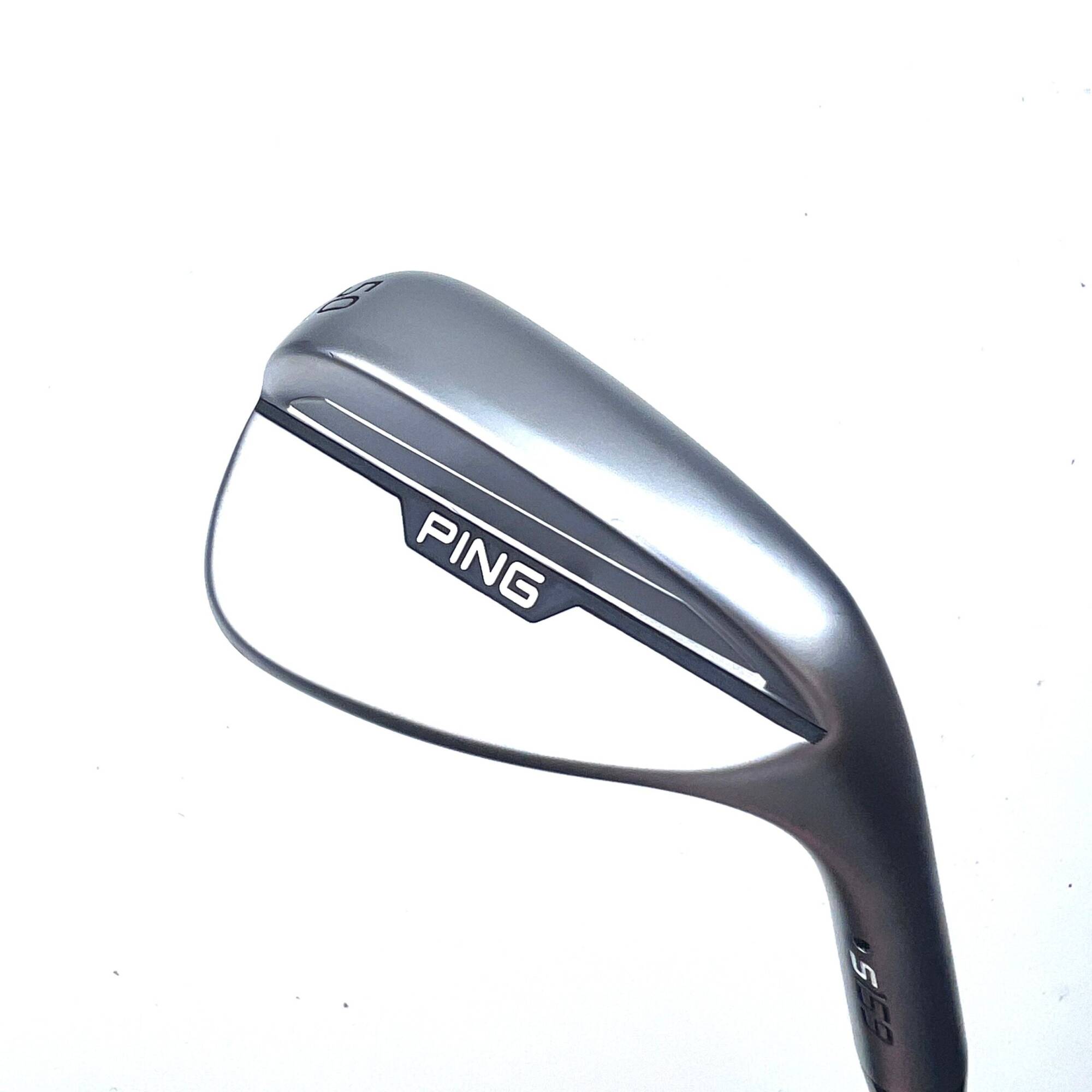
Ping S159 Sand Wedge / 50 Degree / ZZ-115 Wedge Flex
£109.99RRP: £179.00
View details -
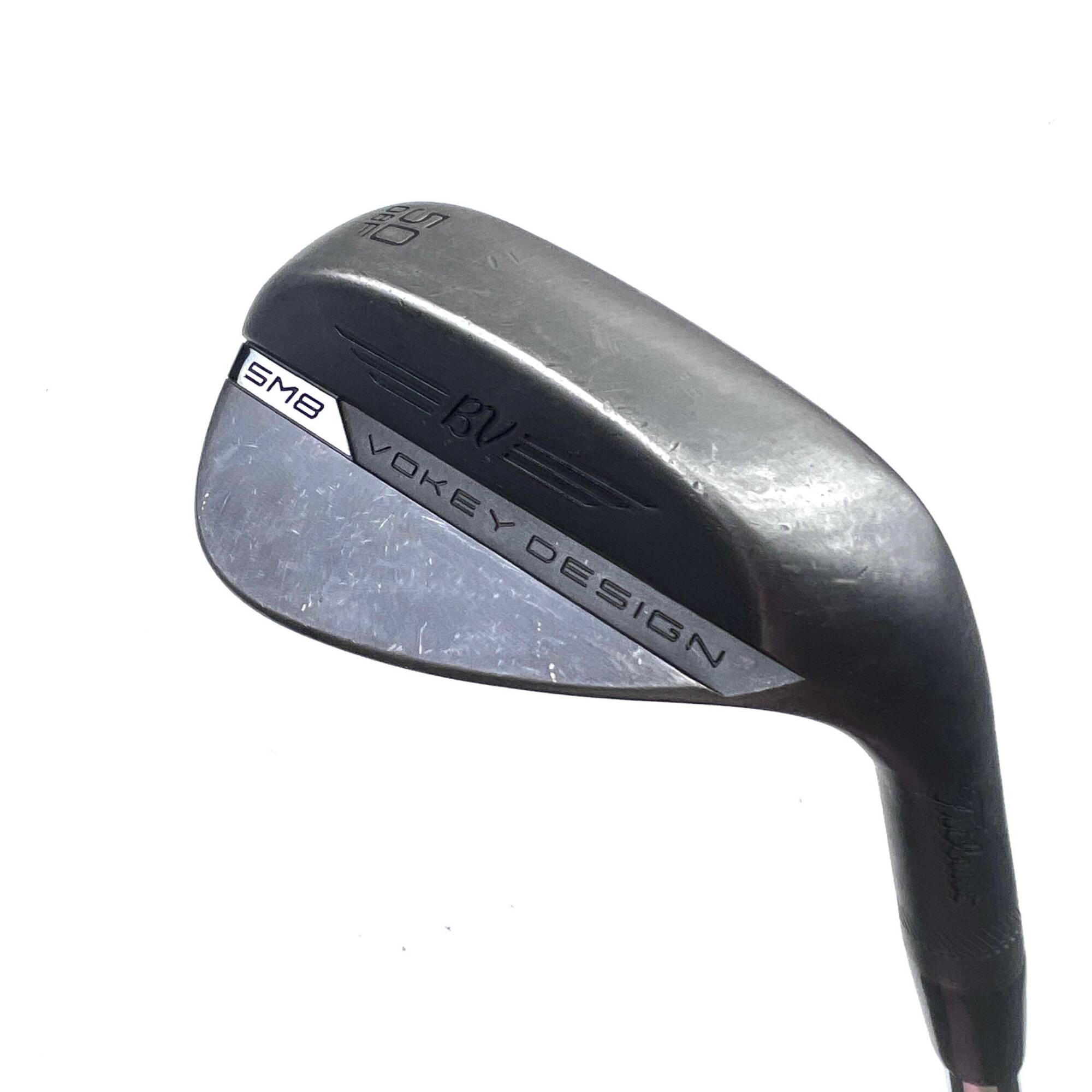
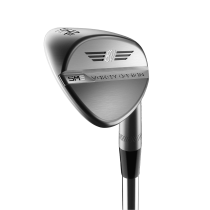
Titleist Vokey SM8 Gap Wedge / 50 Degree / Vokey Wedge Flex
£79.99RRP: £160.00
View details -

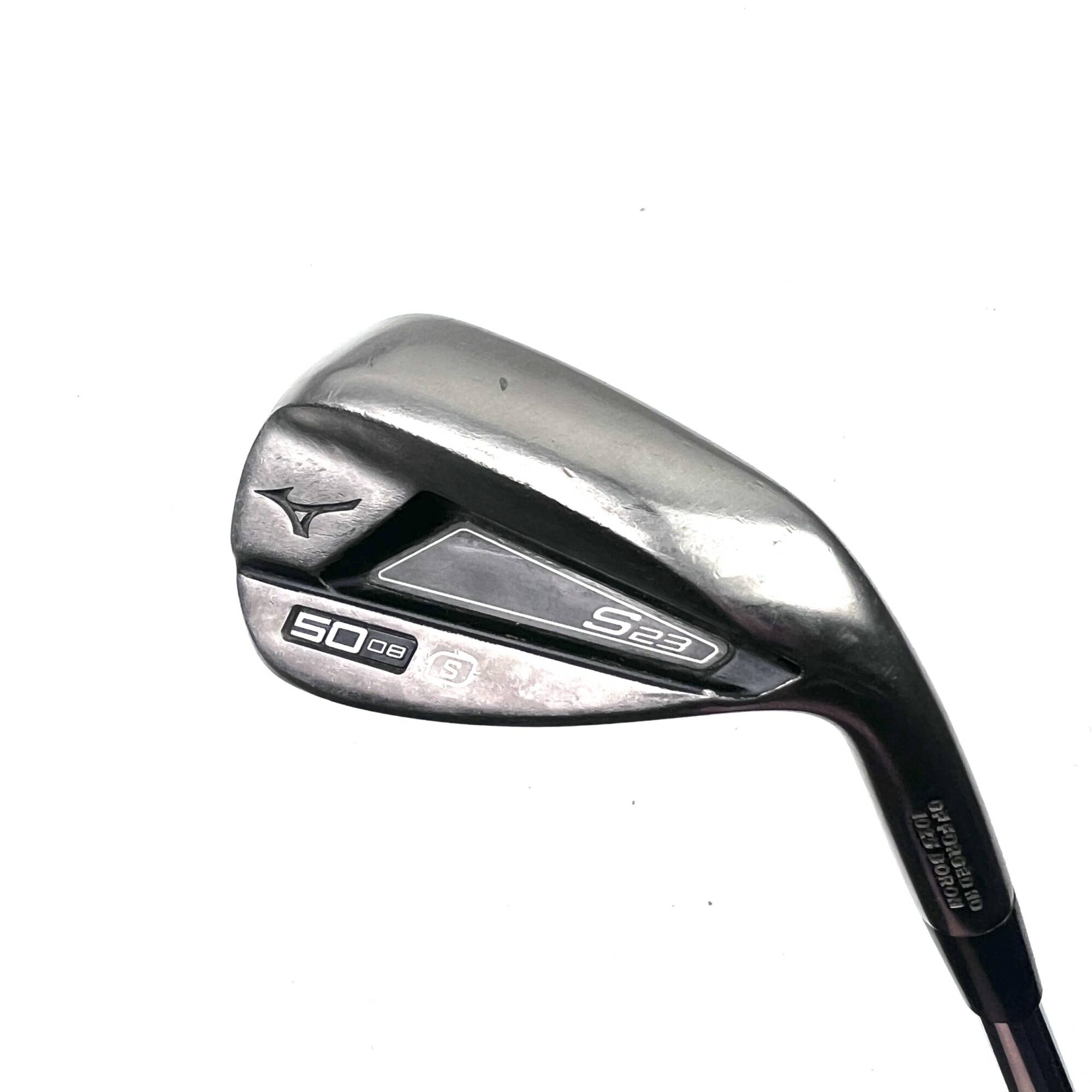
Mizuno S23 Gap Wedge / 50 Degree / Dynamic Gold Wedge Flex
£79.99RRP: £185.00
View details -
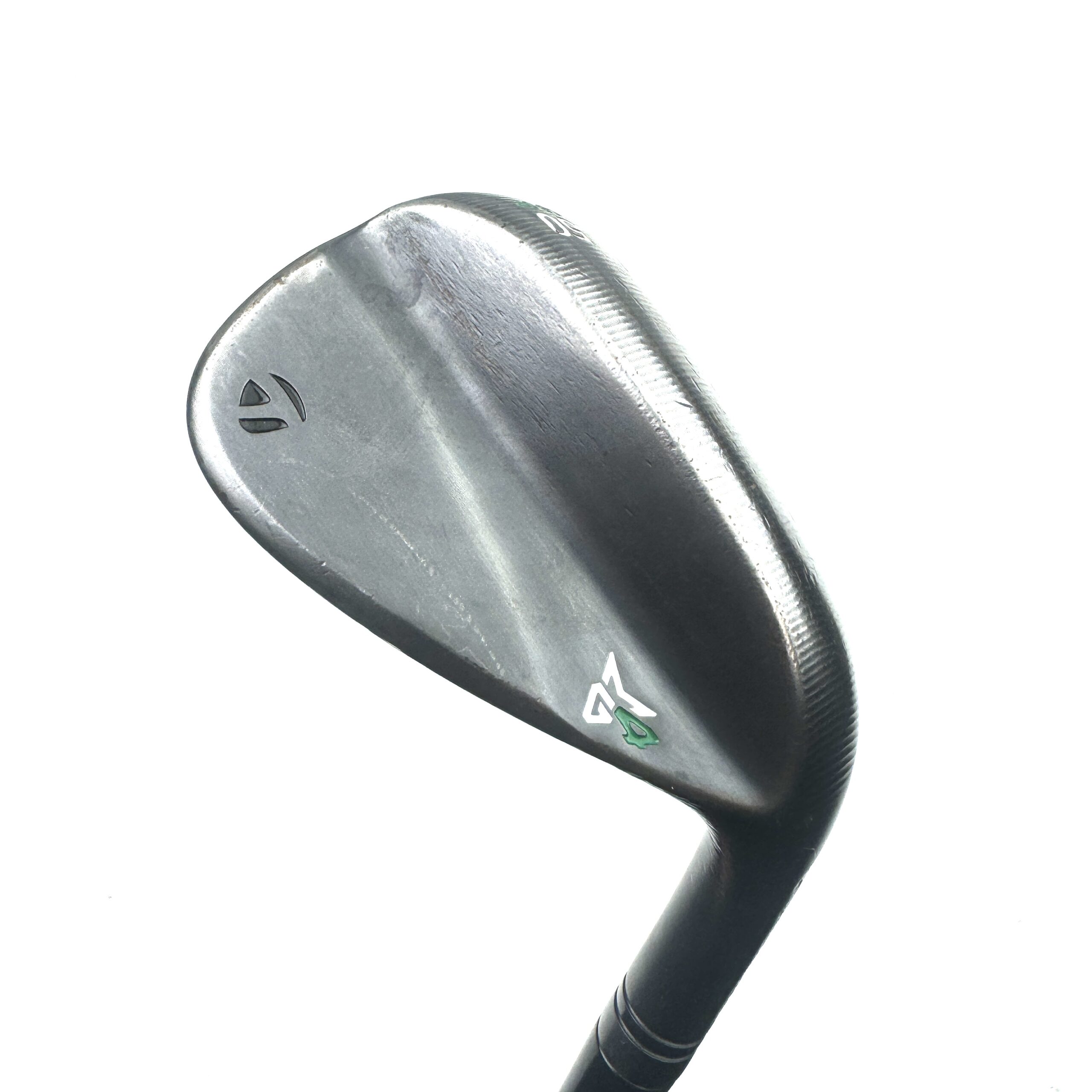
Taylormade Milled Grind 4 Gap Wedge / 50 Degree / Dynamic Gold 115 Wedge Flex
£79.99RRP: £189.00
View details -
Titleist Vokey SM10 Gap Wedge / 50 Degree / Dynamic Gold S400 Stiff Flex
£119.99RRP: £169.00
View details
Shop Quality Second-Hand 50 Degree Golf Wedges
Shop used 50 degree wedges for full approaches, controlled pitches and better distance gapping below your irons. A 50 degree wedge is most commonly used as a gap wedge, sitting between the pitching wedge and higher-lofted sand or lob wedges.It is particularly useful with modern iron sets that have stronger pitching-wedge lofts. The right 50 degree wedge should give you a repeatable scoring distance without sitting too close to the clubs either side.
Read more...Read less...
Benefits of a Used 50 Degree Wedge
Fill the gap below your pitching wedge
A 50 degree wedge can provide the missing full-shot distance between a stronger modern pitching wedge and a 54 degree wedge or 56 degree wedge.
A dependable approach club
The loft is strong enough for fuller scoring shots while still giving you more height and a shorter carry than a typical pitching wedge.
More options around the green
A 50 degree wedge can play controlled pitches and lower chip shots where you want the ball to release more than it would with a sand or lob wedge.
Premium wedge options for less
Buying used can give you access to specialist wedges, forgiving cavity-back designs and premium shafts for less than their original retail price.
How It Works
Every used 50 degree wedge listed on Nearly New Golf Clubs is inspected before it goes live on the website. That means you can browse with a clearer view of condition, specification and price before choosing the wedge that suits your setup.
Checked before listing
Each 50 degree wedge is reviewed before being uploaded to the website. The face, grooves, sole, leading edge, shaft and grip are checked so the listing reflects the club’s condition as clearly as possible.
Clear condition grading
We grade every used 50 degree wedge so you know what to expect before you buy. Whether a wedge is mint, very good or good, the aim is to make condition easy to understand before it reaches your bag.
Compare the right options
Compare loft, bounce, grind, shaft, condition and price. Check the wedge against the clubs already in your bag so it adds the distance or short-game option you need.
Fast UK delivery
Order by 12pm and we will aim to dispatch your wedge quickly, so you can get it into play as soon as possible.
30 day returns
You need to feel confident with your wedge on the course. That is why we offer 30 day returns, giving you time to make sure the loft, sole and overall setup suit your game.
50 Degree Wedge Buying Guide
Is a 50 Degree Wedge a Gap Wedge?
Usually, yes.
A 50 degree wedge sits within the normal gap-wedge range and is designed to cover the space between your pitching wedge and sand wedge.
It may also be labelled as an approach wedge, AW, gap wedge or simply by its loft depending on the manufacturer.
The name is less important than the job it performs. A 50 degree wedge should give you a useful scoring distance that your pitching wedge and higher-lofted wedges do not already cover.
What Is a 50 Degree Wedge Used For?
A 50 degree wedge is particularly useful for full and three-quarter approach shots.
It can also be used for:
- Controlled pitches
- Lower chip shots with more rollout
- Longer greenside shots
- Filling the distance gap below a strong pitching wedge
- Creating a structured transition into 54, 56 or higher-lofted wedges
It normally produces a stronger flight and more forward distance than a sand wedge.
Do You Need a 50 Degree Wedge?
Start by checking the loft and carry distance of your pitching wedge.
A 50 degree wedge can make sense when your pitching wedge is strong enough that moving directly to a 54 or 56 degree wedge leaves an awkward distance gap.
For example, a pitching wedge around 44 or 45 degrees can often sit naturally above a 50 degree gap wedge.
If your pitching wedge is already 48 degrees, adding a 50 may create too much overlap.
The decision should come from the carry distances rather than the loft numbers alone.
Where Should a 50 Degree Wedge Fit in Your Setup?
A 50 degree wedge often becomes the first specialist wedge below the iron set.
One possible structure is:
46° pitching wedge → 50° → 54° → 58°
Another is:
44° pitching wedge → 50° → 56°
Both can work.
The first creates more scoring options with smaller loft gaps. The second uses fewer wedges and leaves more space elsewhere in the bag.
Choose the setup that produces useful carry distances rather than trying to follow one fixed sequence.
50 Degree or 52 Degree Wedge?
Both are gap wedges, but they normally fit slightly different setups.
A 50 degree wedge is usually the better starting point when your pitching wedge is stronger lofted and you need a little more distance from the gap-wedge position.
A 52 degree wedge can fit more naturally when your pitching wedge has more loft or when your next wedge is 56 or 60 degrees.
For example:
46° → 50° → 54° → 58°
and
48° → 52° → 56° → 60°
can both create sensible structures.
Use your actual carry gaps to decide between them.
Should Your Next Wedge Be 54 or 56 Degrees?
A 54 degree wedge gives you a four-degree loft step from 50 and can work well when you want closer spacing through the scoring clubs.
That commonly leads into a 58 degree wedge:
50° → 54° → 58°
A 56 degree wedge creates a larger gap but can simplify the setup:
50° → 56°
This can suit golfers who would rather learn a wider range of shots with fewer wedges.
Neither is automatically better. The important question is whether each club gives you a distinct carry distance and useful short-game role.
How Far Should a 50 Degree Wedge Go?
There is no correct distance that every golfer should hit a 50 degree wedge.
Carry depends on swing speed, strike, shaft, head design and how full a swing you make.
Use your neighbouring clubs as the reference.
If your pitching wedge carries one distance and your 54 or 56 degree wedge carries another, the 50 degree wedge should give you a repeatable number between them.
The goal is predictable scoring distances, not matching somebody else’s yardage.
50 Degree Wedge or Pitching Wedge?
They normally perform different jobs.
A pitching wedge generally has less loft and sits at the bottom of the iron set. It is commonly used for longer full approaches.
A 50 degree wedge normally has more loft and fills the next scoring distance below it.
The distinction can become blurred with traditionally lofted irons, so check the stated loft of your pitching wedge before adding another club.
Bounce and Sole Design
Bounce affects how the sole moves through turf and how readily the leading edge digs.
More bounce can suit steeper swings and softer ground. Lower bounce can work well for shallower delivery and firmer turf.
Because a 50 degree wedge is often used for fuller approaches, choose a sole that works consistently from the fairway as well as on shorter shots.
Forgiving or Compact Head?
A cavity-back 50 degree wedge can provide more help when contact moves away from the centre. This can suit golfers who mainly want a reliable full-shot gap wedge.
A more compact specialist wedge can offer greater choice in bounce, grind and sole shape for golfers who also use the club for a wider range of pitches and chips.
Choose the head around the job you expect the 50 degree wedge to do most often.
Shaft and Feel
A 50 degree wedge used mainly for full approaches may feel more natural with a shaft that blends closely with your irons.
A specialist wedge shaft can be heavier or firmer and may suit golfers who want more control on partial shots.
Compare shaft model and weight alongside the flex label when choosing between used wedges.
Condition Guide
Every used 50 degree wedge is individually checked and graded so you know what to expect before you buy.
Mint condition
Mint condition wedges show minimal signs of use. They may have been hit only a few times, if at all.
Faces and grooves: little to no visible strike wear
Soles: clean with minimal marks
Heads: little to no cosmetic marking
Shafts and grips: close to new condition
Very good condition
Very good condition wedges show light use but remain clean overall.
Faces and grooves: light strike marks
Soles: small marks from limited play
Heads: minor cosmetic marks may be visible
Shafts and grips: very good condition with light signs of use
Good condition
Good condition wedges show normal signs of play but remain fully usable.
Faces and grooves: visible wear from regular use
Soles and heads: normal cosmetic marking may be present
Shafts: possible light bag wear
Grips: usable or replaced where needed
Cosmetic wear does not stop a wedge performing.
A well-graded second hand 50 degree wedge can still deliver strong launch, distance and short-game control when the loft, bounce and grind suit your game.
Not sure which club is right for you? We’re here to help.
- Check out our Online Fitting Service and a member of the team will provide you with recommendations tailored to your game.
- Speak to our experienced team for personalised advice.
Plus, if you’re ready to upgrade, you can Sell Your Club directly through our site!
If you are upgrading more than one part of the bag, you may wish to compare our full golf club sets to find the best options for you.