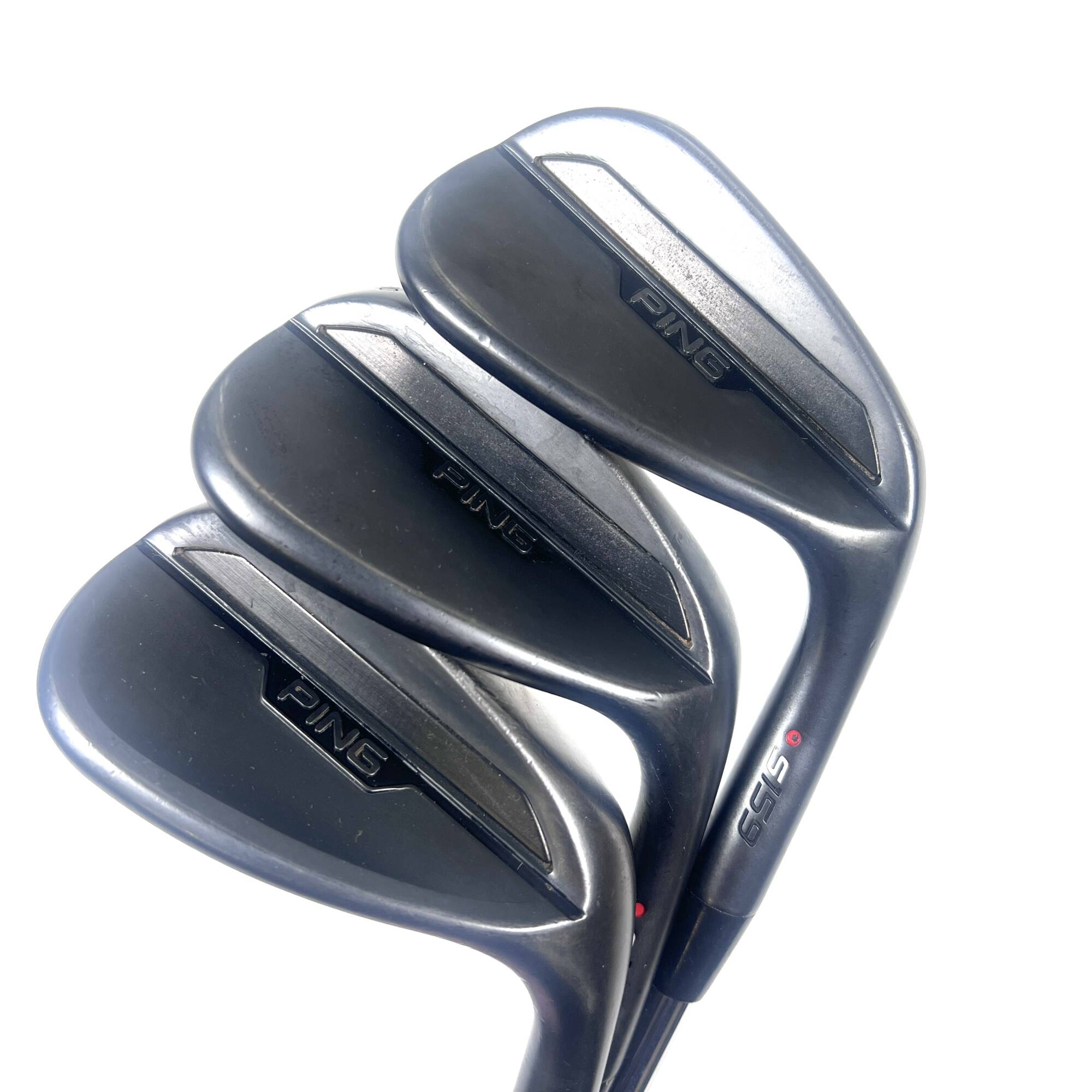
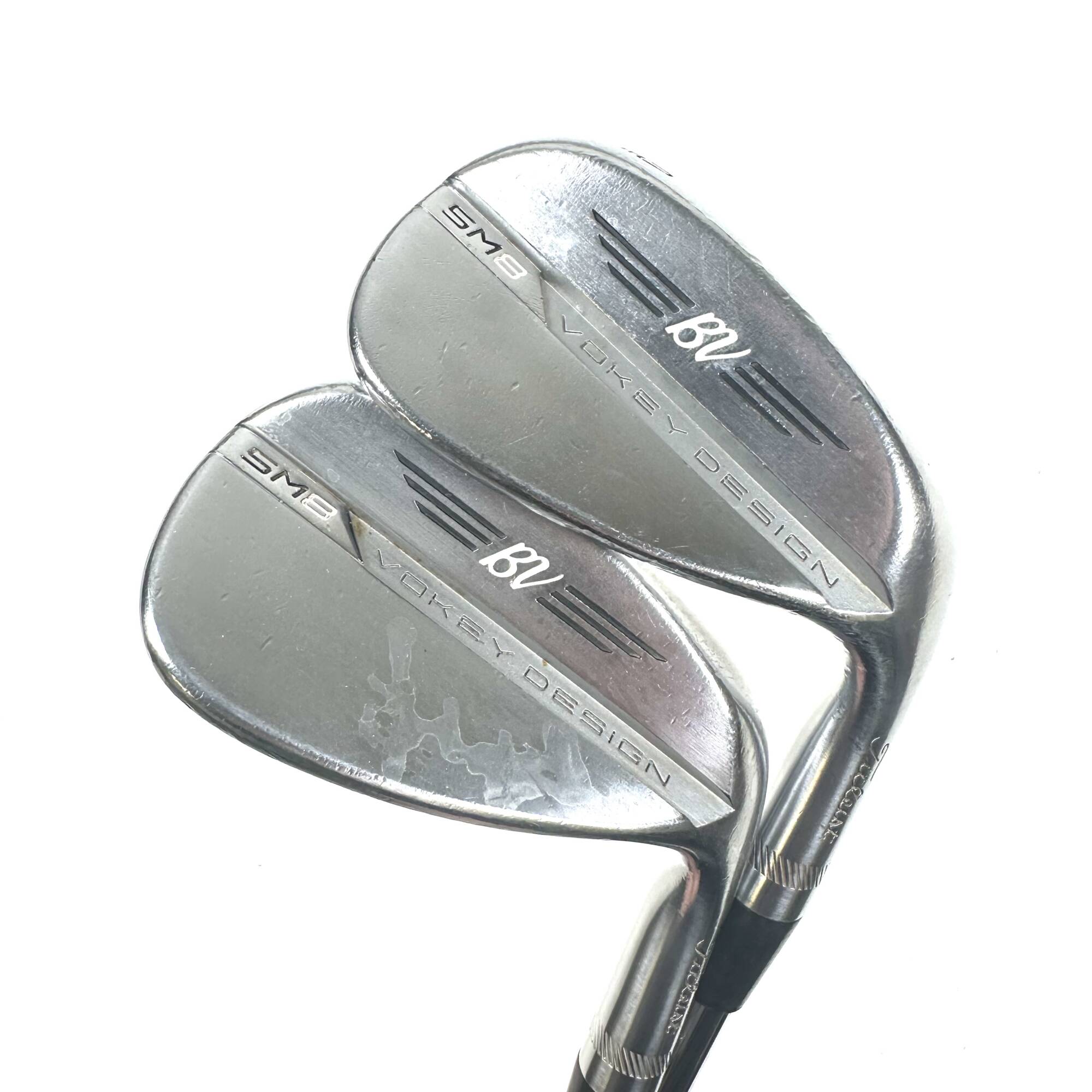
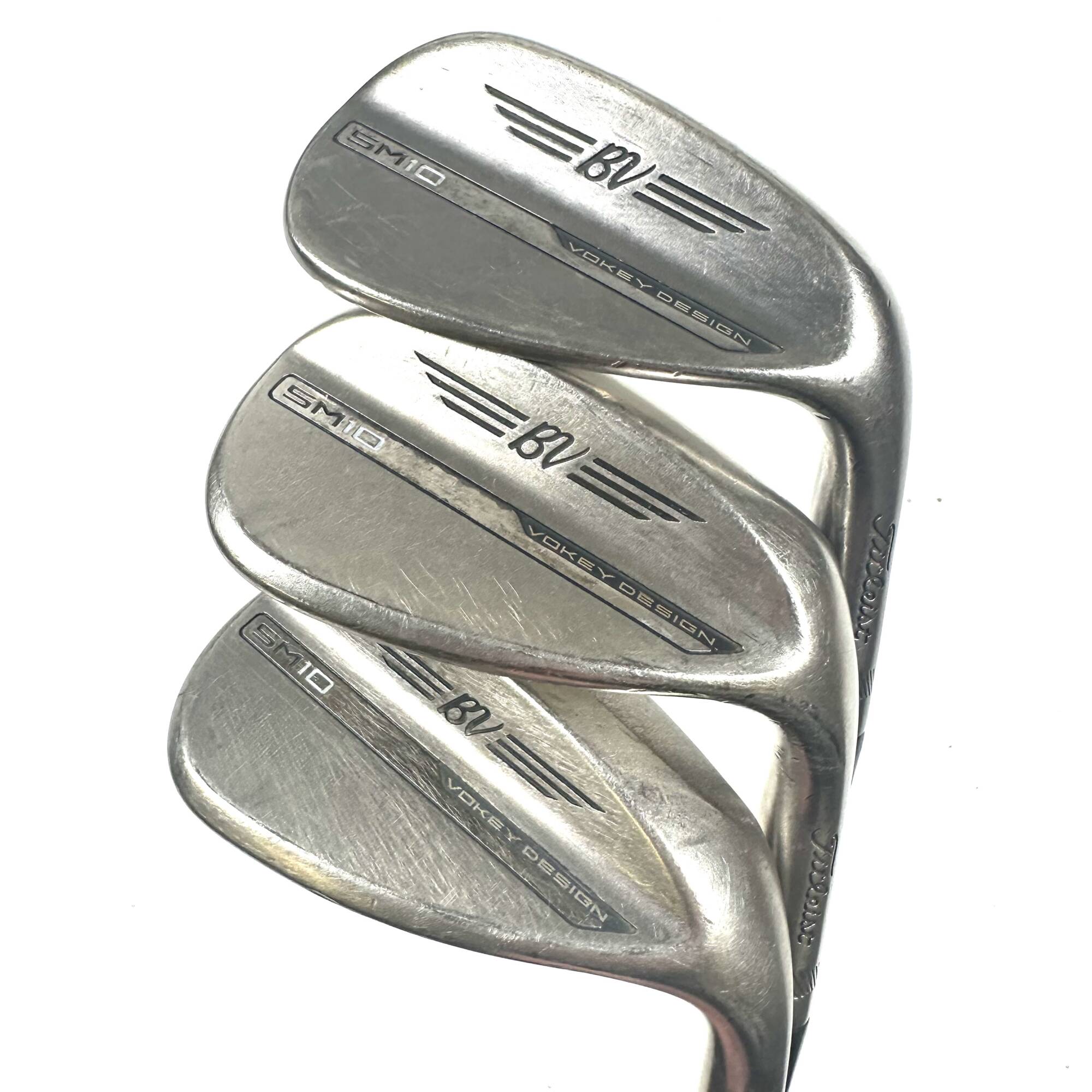
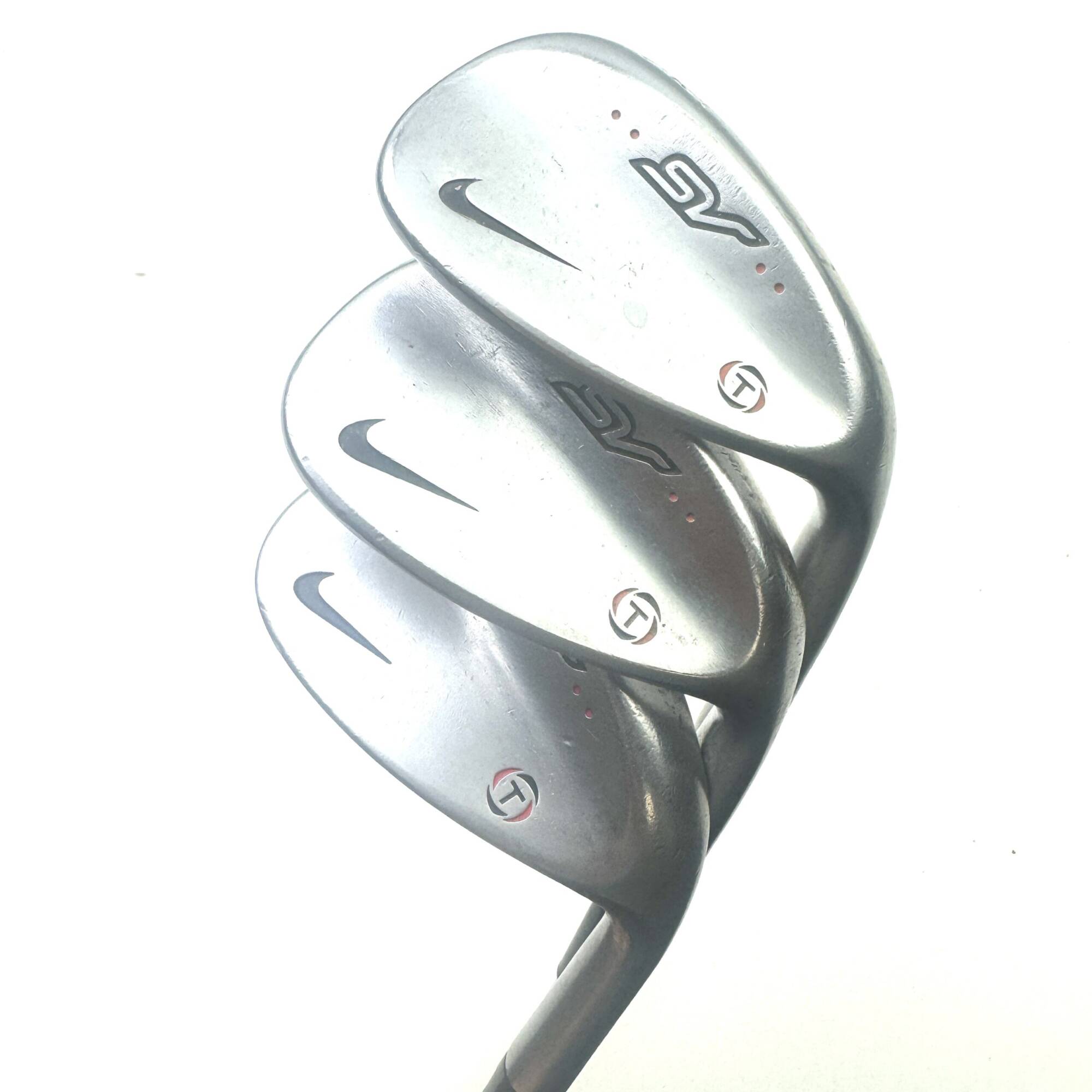
-
Are used wedges sets still good quality?
Yes. Groove and face condition are checked before listing to ensure performance remains reliable.
-
Why buy a wedge set instead of individual wedges?
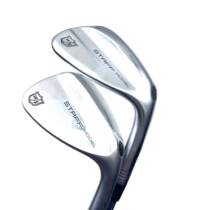
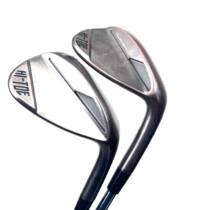
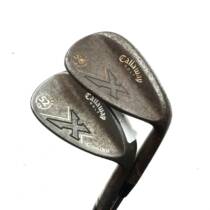
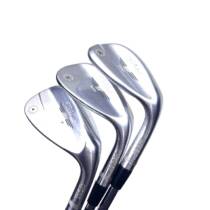
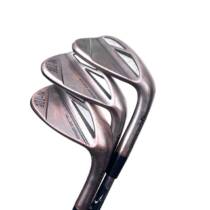
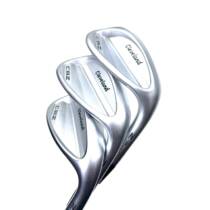
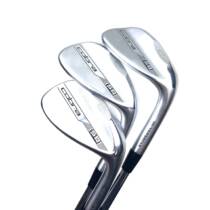
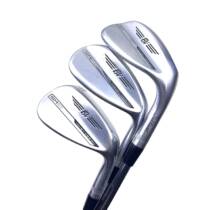
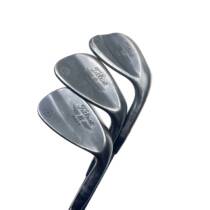
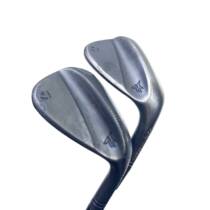
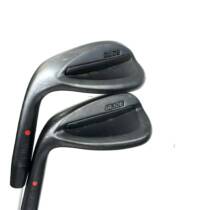
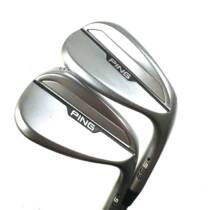
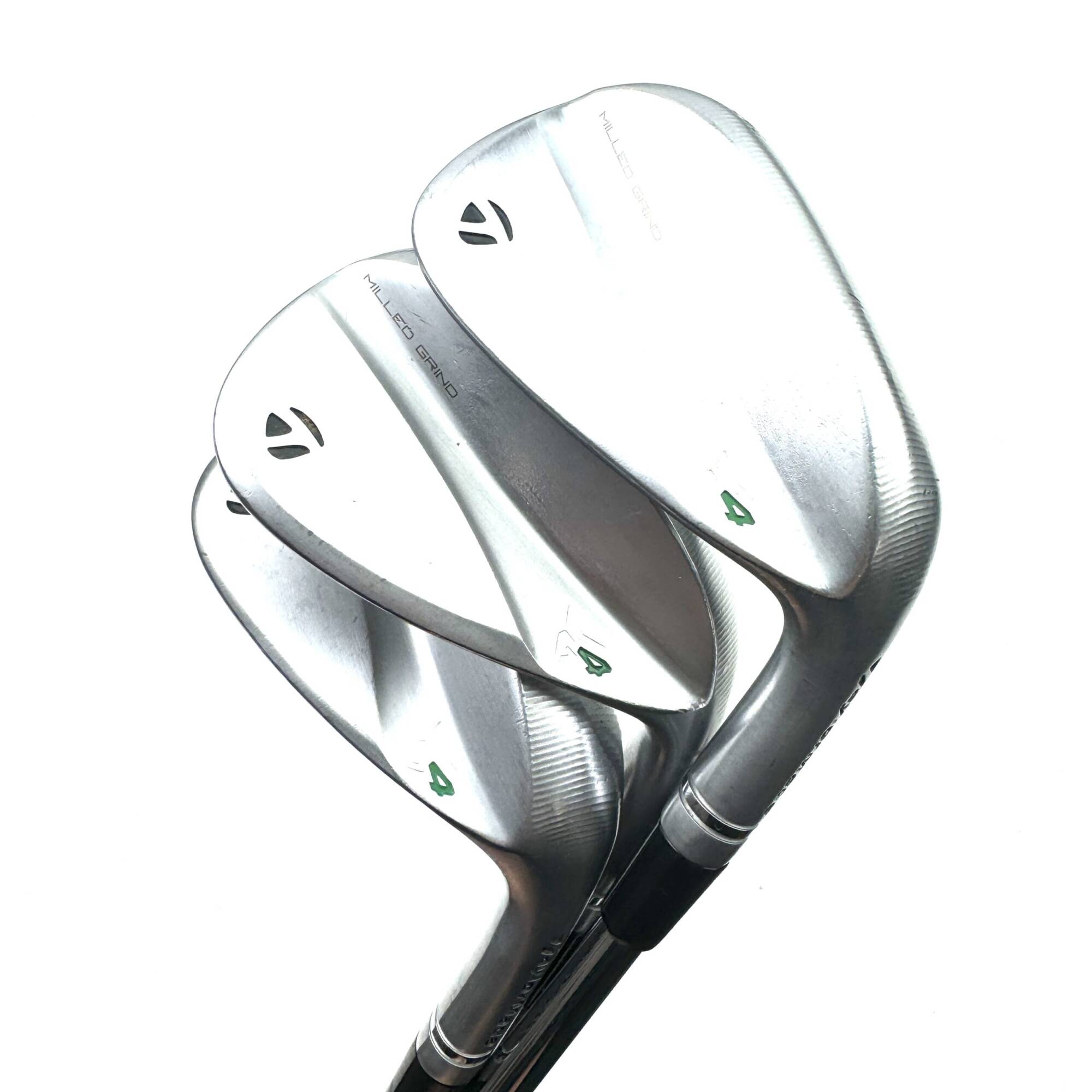
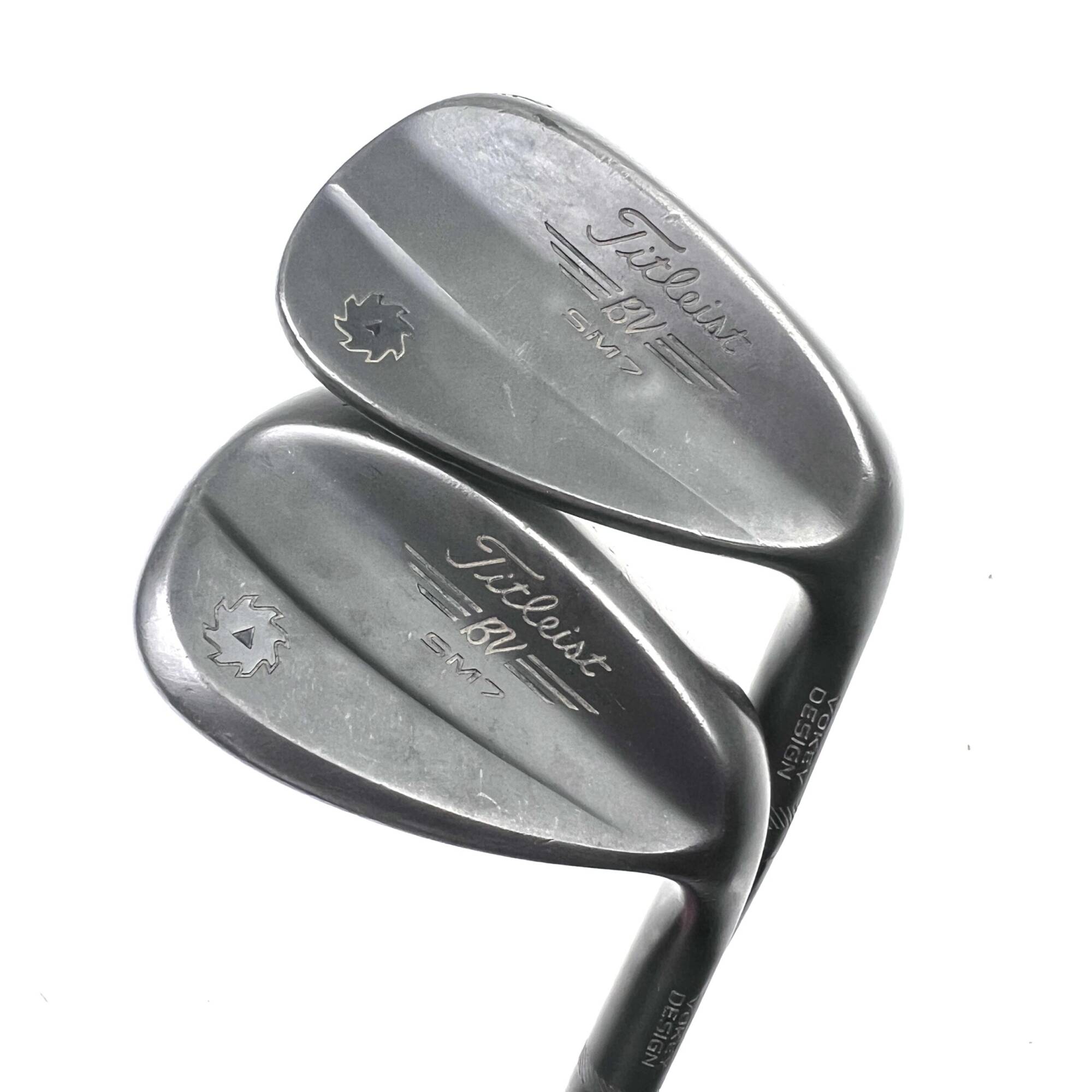
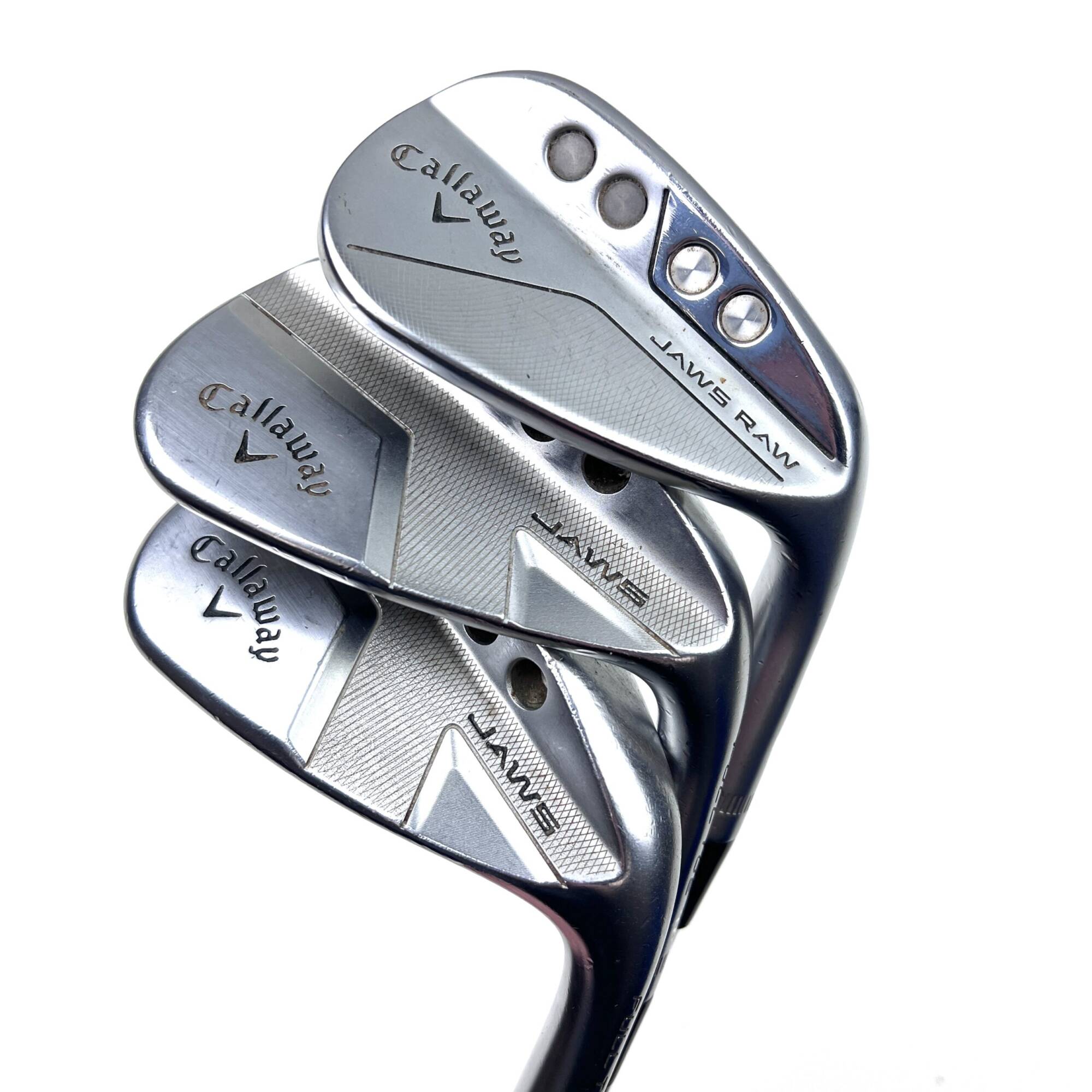
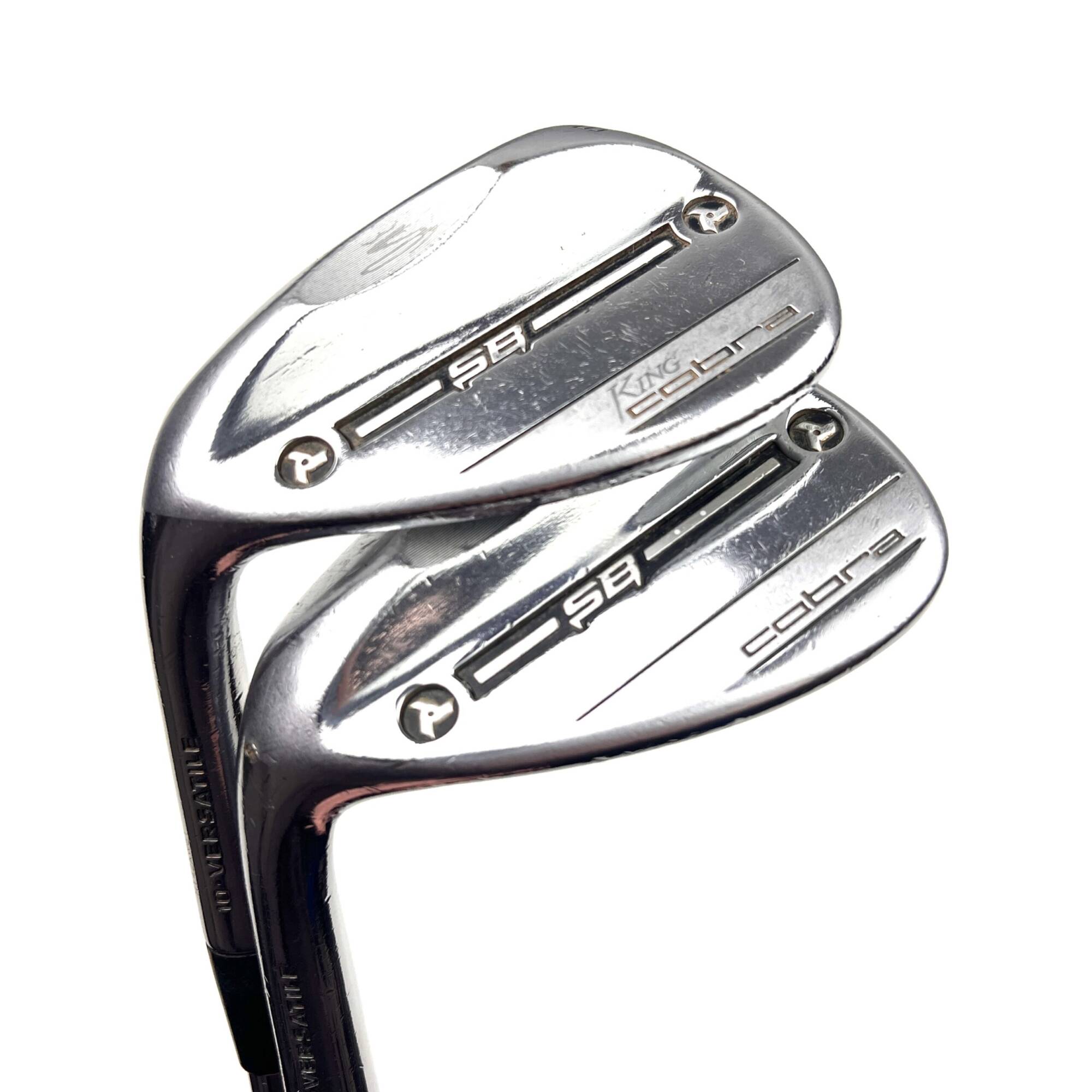
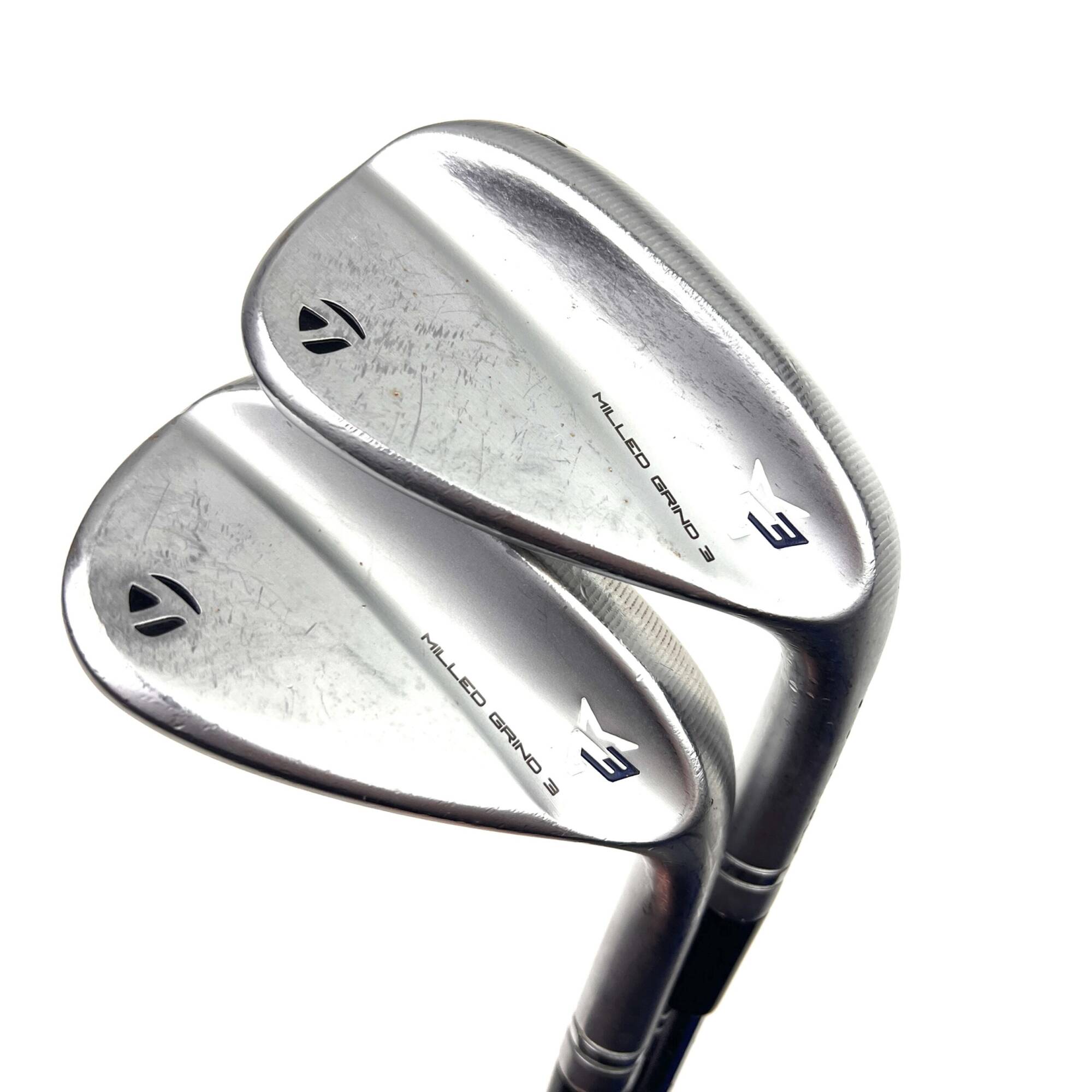
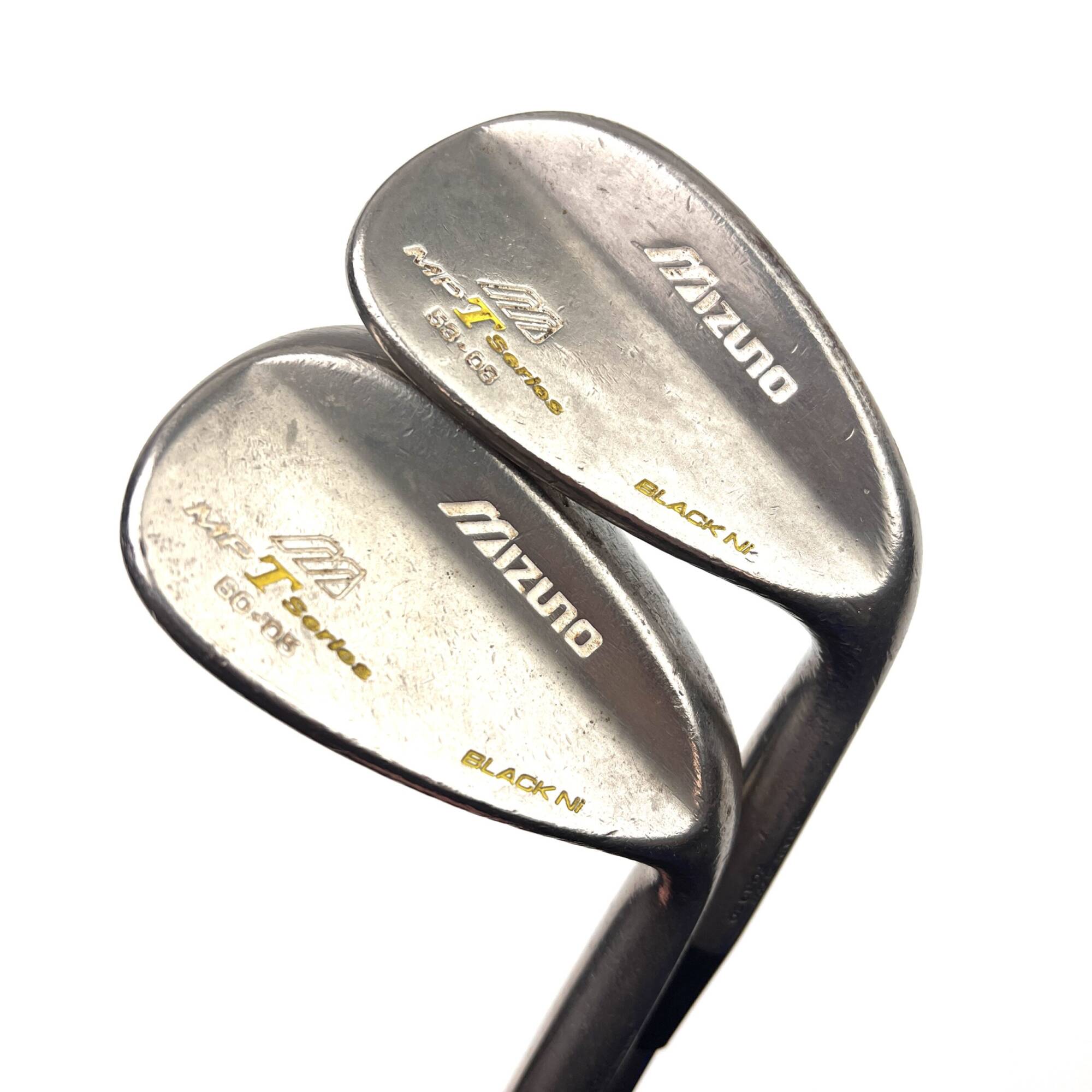
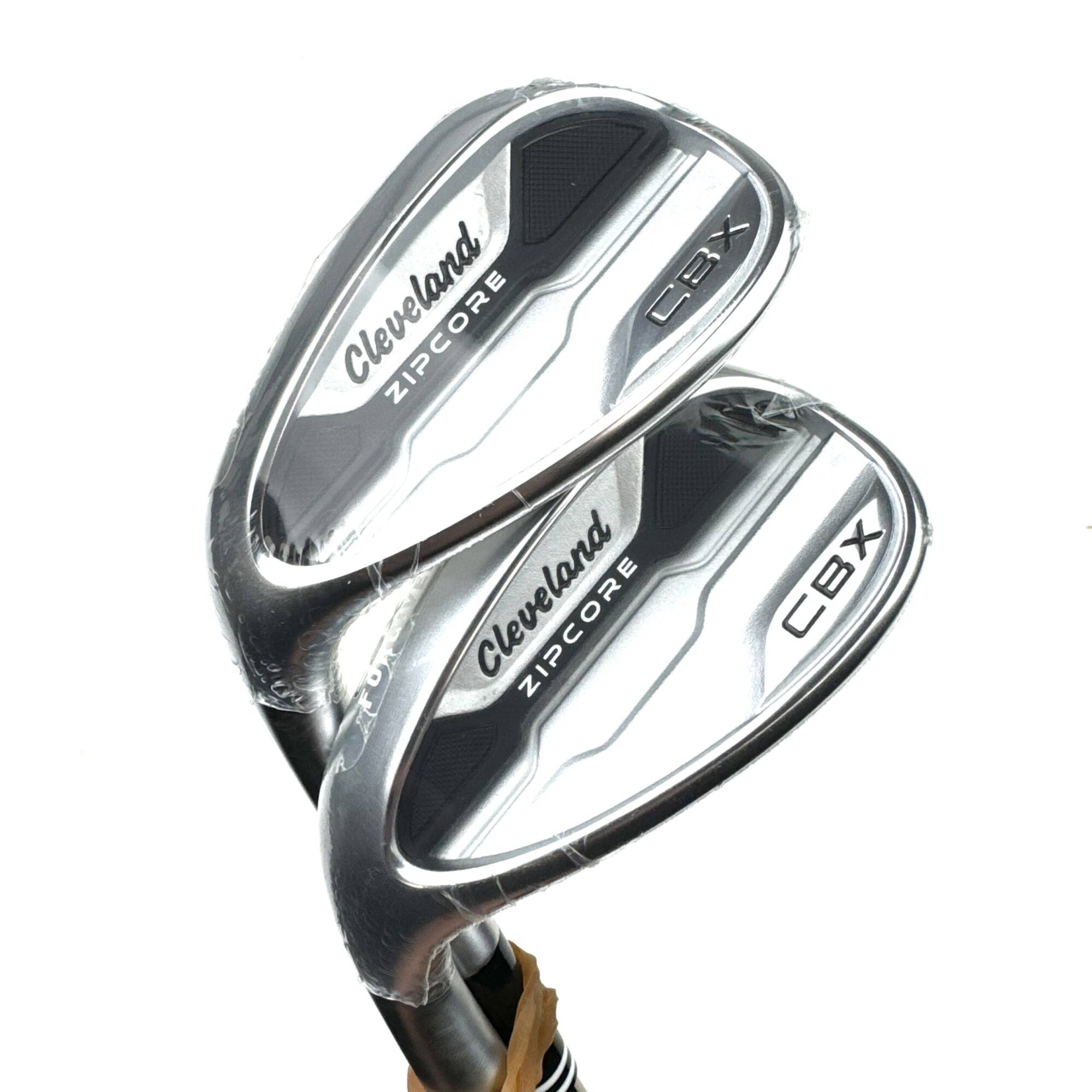
A wedge set gives you more consistent loft spacing, feel, and performance throughout your short game. The wedges are designed to work together, helping create predictable distance gaps between clubs.
Buying a set can also be better value than purchasing wedges individually, especially when building a full short game setup around common loft combinations like 52°, 56°, and 60°.
For many golfers, a wedge set also simplifies decision making by giving you a balanced combination for approach shots, bunker play, chips, and pitches without needing to piece different models together.
-
Are your used wedge sets matched for consistency?
Yes. All sets are carefully paired by loft and brand/model for consistent feel and gapping.
-
What condition will the wedges be in?
Each wedge is graded for groove wear, face wear, sole wear, shaft, and grip condition.
- Mint (9 to 10 out of 10) Minimal or no use
- Very Good (8 out 10) Light use, very clean overall
- Good (6 to 7 out of 10) Regular use, fully playable
-
Do the wedges match the photos and descriptions?
Yes. Sets are graded consistently and photos reflect the actual product.
-
Do wedges lose spin over time?
Yes. Wedges can lose spin over time as the face and grooves wear down through regular use, especially on sand wedges and lob wedges used heavily around bunkers and greens.
As grooves wear:
- less friction is created at impact
- shots can launch slightly higher
- stopping power and control may reduce
The difference is usually gradual rather than sudden. Most recreational golfers will still get years of good performance from a wedge, especially if the grooves are well looked after.
Heavier players and frequent golfers tend to notice spin loss sooner because wedge faces wear more quickly with repeated practice and bunker play.
-
Does groove wear affect performance?
Yes. Worn grooves can reduce spin, control, and consistency, especially on short shots around the greens.
As the face wears down:
- the club creates less friction at impact
- shots may release more after landing
- wet conditions can affect spin more noticeably
- distance control can become less predictable
The biggest performance changes are usually seen on pitch shots, chips, and bunker shots rather than full swings.
-
What wedges should every golfer carry?
Most golfers benefit from at least a gap wedge and sand wedge. A lob wedge adds more short-game versatility.
-
What is the best wedge set up?
For most golfers, a 52° / 56° setup covers approach shots, bunker play, and short-game shots without overcomplicating decisions. If you want tighter distance gaps and more versatility around the greens, a 52° / 56° / 60° setup gives you more shot options and better control inside 100 yards.
-
Should I buy a 2 wedge or 3 wedge setup?
A 2 wedge setup is simpler and covers most situations. A 3 wedge setup gives tighter distance gaps and more shot options.
-
What wedge lofts should I choose?
Most golfers suit 52° / 56° or 52° / 56° / 60° setups depending on how many short-game options they want.
As a general guide:
- 52° gap wedge for fuller approach shots and longer chips
- 56° sand wedge for bunkers, pitches, and everyday short game shots
- 60° lob wedge for higher, softer shots with more stopping power
The right setup also depends on your pitching wedge loft and how much distance gap you want between clubs. Many golfers aim for roughly 4° to 6° between wedges for more consistent yardage coverage.
-
What lofts are included in your used wedge sets?
Most sets include 52°, 56°, and 60°, but we stock a variety of combinations to suit different bag setups.
-
What does bounce mean on a wedge?
Bounce is the angle between the leading edge of the wedge and the lowest point of the sole. In simple terms, it helps stop the club digging too deeply into the ground or sand.
Higher bounce wedges are more forgiving and work well in:
- soft ground
- fluffy sand
- steeper swings
Lower bounce wedges suit:
- firmer ground
- tight lies
- golfers with shallower swings who sweep the ball more cleanly
The right bounce helps the wedge glide through the turf more consistently, especially on chips, pitches, and bunker shots.
-
What bounce is best for soft ground?
Higher bounce wedges are usually best for soft ground conditions. The extra bounce helps stop the club digging too deeply into wet turf, soft sand, or heavy lies.
As a rough guide:
- 10° to 14° bounce suits softer conditions
- wider soles can also add forgiveness
Higher bounce wedges are especially helpful for golfers with steeper swings who take larger divots around the greens or from bunkers.
-
What bounce is best for firm ground?
Lower bounce wedges are usually better for firm ground conditions. They allow the leading edge to sit closer to the turf, making it easier to strike cleanly from tight lies and hard fairways.
As a rough guide:
- 4° to 8° bounce suits firmer conditions
- narrower soles can help improve versatility around the greens
Lower bounce wedges are often preferred by golfers with shallower swings who sweep the ball rather than taking deep divots.
-
Can I return a wedge set if it is not right?
Yes. You can return within 30 days if the setup does not suit your game.
-
Do you stock left-handed wedge sets?
Absolutely. Just use the filters to view left-handed options.
-
Can I trade in my current wedges?
Yes, visit our Trade-In Programme to learn more.
-
How long does delivery take?
Next working day UK delivery is available when you order before 12pm.
-
Can you help me choose the right wedge setup?
Yes. You can get advice based on your distances, turf conditions, and short-game preferences. Get a club consultation






 30 Day Try Before You Buy Guarantee
 Order by 12pm for next working day delivery
 Authenticity Guaranteed